
Acacia oshanesii
Acacia oshanesii
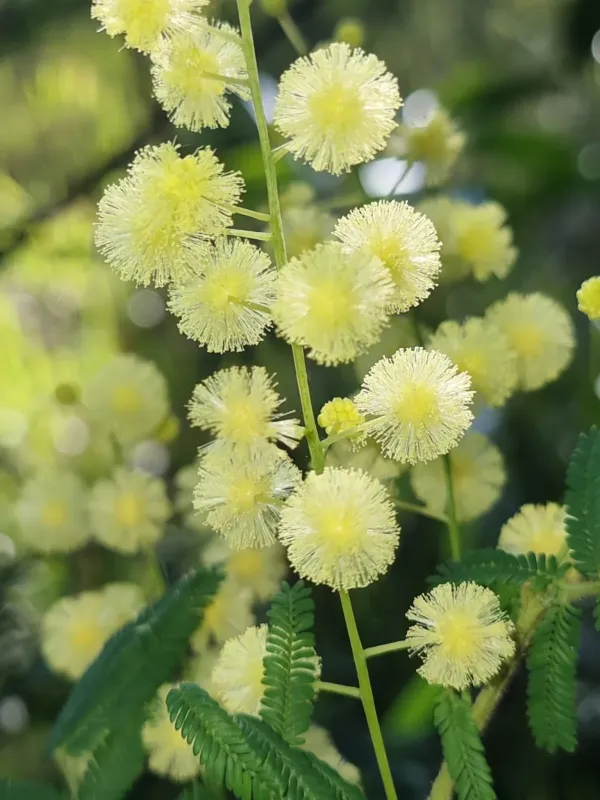
Description
Sowing dates
Acacia oshanesii, a member of the Fabaceae family, is propagated through seeds. To ensure high germination rates, the seeds must undergo pre-sowing treatment, such as scarification or immersion in hot water, to break the seed coat dormancy.
Sowing in a nursery or controlled environment is typically performed in early spring. It is essential to use a well-draining soil mix to provide optimal moisture conditions while preventing waterlogging that can lead to seed rotting.
Seedlings should be hardened off before transplanting into the field. This process helps the young plants adapt to fluctuating environmental conditions, ensuring a better survival rate after planting them in their permanent location.
Planting density is determined by the specific land-use objectives. For ornamental purposes or shelterbelts, a spacing of 3 to 4 meters between trees is generally recommended to allow for adequate crown spread and root system development.
Initial care includes consistent watering for the first growing season. Once established, Acacia oshanesii shows a notable resilience to drought, though regular moisture in the early stages is crucial for achieving vigorous growth.
Growing requirements
Originating from eastern Australia, this species thrives in subtropical climates. It requires well-drained soil, preferably of a sandy or loamy texture, to support its deep root system and overall health.
The tree prefers soil with a neutral to slightly acidic pH. While it is adaptable to poor soils due to its nitrogen-fixing capabilities, improving soil structure with minimal organic amendments can significantly enhance growth rates.
Acacia oshanesii is a highly heliophilous plant, meaning it requires full sun to maintain a compact, healthy, and aesthetic crown structure. Planting in shaded areas often results in leggy, weak-stemmed trees.
Temperature tolerance is moderate. The species can handle light frosts but is generally not suited for regions with prolonged, extreme freezing winters without some form of winter protection or container-based cultivation.
Proper aeration is vital for the rhizosphere. Avoiding soil compaction around the base of the tree is essential, as this species requires adequate oxygen exchange to sustain its symbiotic relationship with nitrogen-fixing bacteria.
Main diseases and pests
Fungal diseases are the primary threat, especially in humid and poorly ventilated conditions. Root rot can occur if the soil remains waterlogged, so managing drainage is the most effective preventative measure.
Pests such as scale insects and spider mites can infest the foliage, particularly during dry seasons. Regular visual inspection is recommended to identify early signs of infestation and to apply corrective measures if necessary.
Rust diseases may affect the leaves, particularly in areas with frequent heavy dew or high humidity. Sanitation, including the removal and destruction of infected leaves, helps to reduce the spread of spores within the planting area.
Mechanical damage to the bark by tools or animals can introduce secondary pathogens. Providing protection for young trunks and using clean pruning equipment minimizes the risk of infection and preserves the tree's vitality.
Competition from aggressive weeds can stunt growth, especially in young plantations. Keeping the base of the tree clear of weeds not only ensures better resource access but also reduces the habitat for potential insect pests.