
Narrow-leaf wattle
Acacia mucronata
Description
Growing requirements
The narrow-leaf wattle (Acacia mucronata) is an evergreen shrub or small tree belonging to the Fabaceae family. Native to southeastern Australia, this species is well-adapted to a variety of environmental conditions, ranging from coastal areas to rocky mountain slopes.
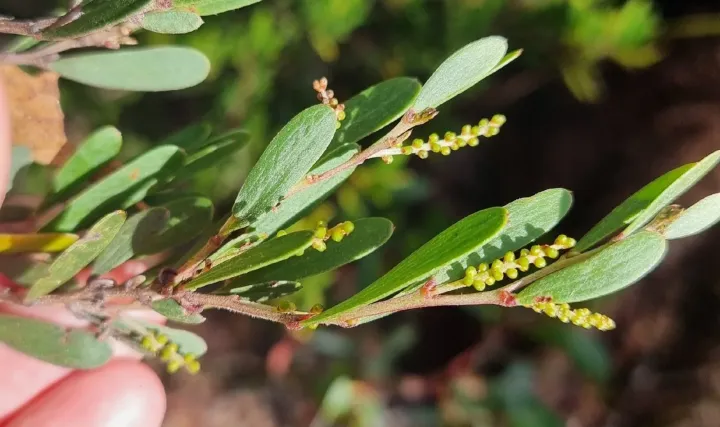
A key botanical feature of this species is the presence of phyllodes, which are flattened leaf stalks that function as leaves. This adaptation allows the plant to thrive in regions where water conservation is necessary, significantly increasing its overall hardiness.
This crop requires well-drained, acidic to neutral soil to perform optimally. While it is quite adaptable, poor drainage is a major limiting factor, as the roots are susceptible to rot when subjected to prolonged waterlogging.
Acacia mucronata thrives in temperate and subtropical climates. It is relatively drought-tolerant once established but benefits from regular irrigation during its juvenile stage to ensure deep root development and vigorous growth.
Economically, this species is highly regarded in landscaping and environmental restoration projects. Its nitrogen-fixing capabilities make it an excellent choice for improving soil quality, while its dense growth habit provides effective habitat for local fauna.
Main diseases and pests
The primary threats to this species include root rot pathogens that proliferate in waterlogged conditions. Proper soil drainage and avoiding excess irrigation are the most effective strategies for preventing these fungal issues.
Common pests include sap-sucking insects such as aphids and spider mites. These can cause stunted growth or deformities in the phyllodes, necessitating timely monitoring and the use of insecticidal soap or specialized sprays.
Fungal leaf spot diseases may occur in environments with poor air circulation or high humidity. Removing affected foliage and ensuring adequate space between plants can help mitigate the spread of these pathogens.
Mechanical damage to the trunk or branches can provide entry points for pathogens and wood-boring insects. Careful pruning techniques and the use of wound sealants are recommended during regular canopy management.
Integrated pest management, combining physical inspection and biological control agents, is the preferred approach for maintaining the health of Acacia mucronata stands in agricultural and urban settings.