
Maiden's wattle
Acacia maidenii
Description
Growing requirements
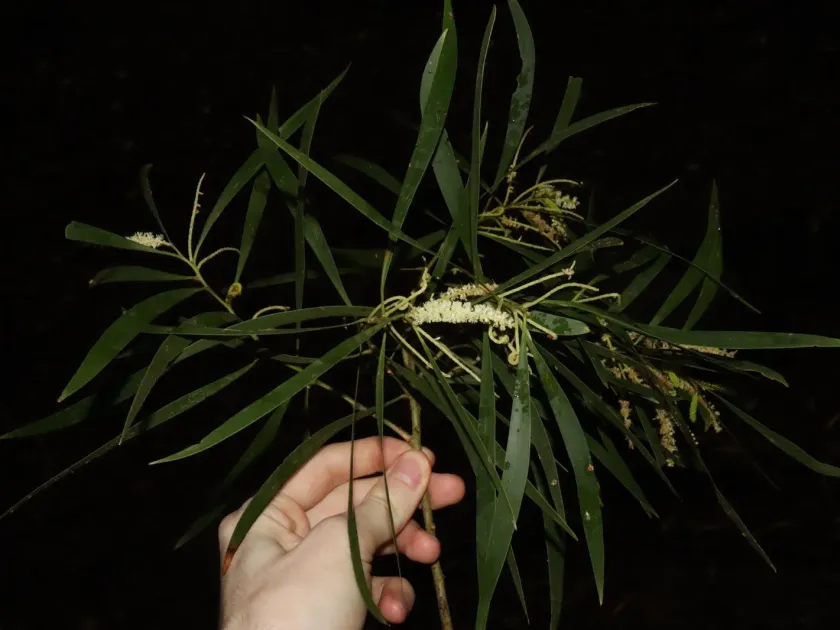
Maiden's wattle (Acacia maidenii) is a prominent evergreen tree species belonging to the Fabaceae family. It is known for its rapid growth rate and ability to reach considerable heights in natural forest environments.
Native to eastern Australia, the tree is commonly found in coastal forests and transitional zones. Its natural habitat is characterized by a subtropical climate, allowing it to thrive in diverse ecological conditions across its native range.
The species prefers well-drained soils and shows a high tolerance for varying soil compositions, including sandy and loamy types. Adequate drainage is essential to prevent root rot, which is a common issue in poorly aerated soils.
For successful cultivation, Acacia maidenii requires consistent sunlight and a warm climate. While it can withstand mild frost once established, protection is recommended for saplings during their initial growth stage.
Its economic importance lies in its timber production, soil erosion control, and usage in sustainable forestry. The tree also serves as a vital component in local ecosystem restoration projects due to its nitrogen-fixing properties.
Main diseases and pests
The primary threats to Acacia maidenii include infestation by wood-boring insects and sap-sucking pests like aphids, which can stunt the growth of young trees if left unmanaged.
Fungal infections, often exacerbated by stagnant water or poor air circulation, pose a significant risk, potentially leading to leaf spots or severe root decay.
Weed competition for nutrients and moisture during the establishment phase is a critical factor that can significantly reduce survival rates of newly planted saplings.
Environmental stress from extreme climate fluctuations may weaken the tree's immune system, making it more susceptible to secondary pathogenic attacks.
Implementing a strict maintenance schedule, including monitoring and thinning if necessary, is essential to minimize the risk of disease spread in plantation settings.