
Acacia leiocalyx
Acacia leiocalyx
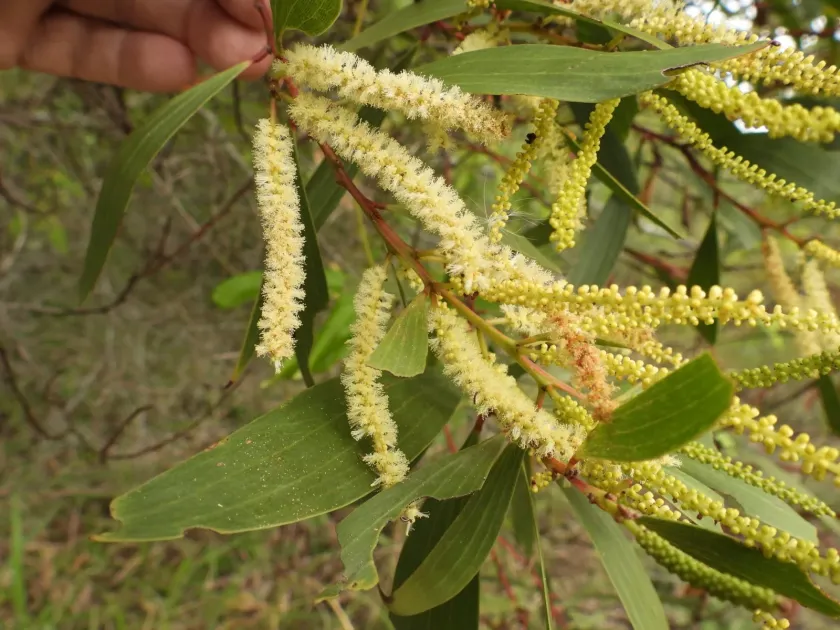
Description
Growing requirements
Acacia leiocalyx is a woody plant belonging to the Fabaceae family, native to the diverse landscapes of Eastern Australia.
It is widely recognized for its robust nature and ability to thrive in poor, nutrient-deficient soils, making it an excellent choice for environmental restoration projects.
The species prefers full sun exposure to maximize growth rates and maintain a healthy, dense foliage canopy typical for this genus.
Regarding moisture, it is highly tolerant of drought conditions, though it performs best in regions where it can access moderate groundwater reserves.
Proper soil aeration is essential for young specimens, as heavy clays may require amendment to prevent stagnant water during the establishment phase.
Yield
The primary economic value of Acacia leiocalyx lies in its high-quality, durable timber, which is sought after for tool handles and artisanal woodworking.
As a fast-growing species, it is increasingly utilized for biomass production, offering a sustainable alternative for heating and small-scale fuel needs.
In agroforestry systems, the tree serves as a vital component for nitrogen fixation, significantly improving the fertility of the surrounding soil profile.
The tree's habit of forming dense stands makes it an ideal candidate for windbreaks, effectively protecting crops from wind damage and moisture loss.
Additionally, its resilience to environmental stress ensures consistent yields of timber even in regions where other commercially viable tree species fail.
Main diseases and pests
Pest pressures primarily include leaf-eating insects, such as larvae of the Lepidoptera order, which can cause significant defoliation if left unchecked.
Fungal pathogens associated with damp environments, such as root rot, pose a constant threat to plantations established on poorly drained sites.
Mechanical damage to the bark by herbivorous animals can facilitate the entry of pathogens, leading to wood decay and weakened stem structure.
Invasive weed species can outcompete young acacia saplings, requiring active vegetation management during the first two years after planting.
Environmental stress, such as extreme salinity, can occasionally trigger health declines, emphasizing the need for site-specific selection before large-scale planting.