
Koa
Acacia koa
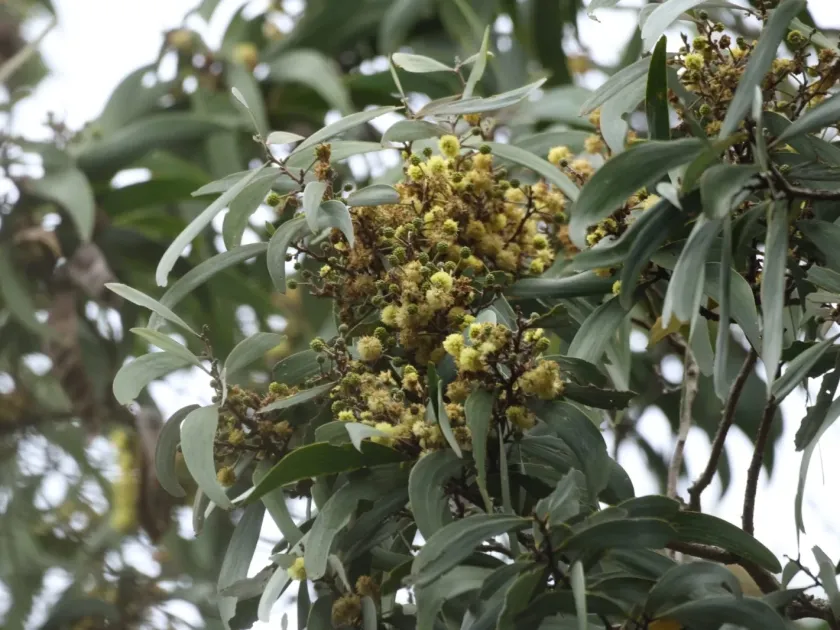
Description
Sowing dates
The seeds of Acacia koa feature a hard seed coat that requires scarification before planting. Immersion in near-boiling water for a short duration or mechanical abrasion is necessary to ensure uniform and efficient germination.
Seeds are typically sown in specialized nursery trays filled with a well-draining, sterile potting mix. Providing consistent moisture and warm temperatures is essential for the initial stage of seedling development.
Seedlings should be nurtured in a nursery setting until they reach a robust size, typically ranging from 20 to 30 centimeters in height. This early growth phase is critical for establishing a strong root system before outplanting.
Spring and early summer are considered the most favorable times for outplanting, provided there is sufficient rainfall to support the young trees as they acclimatize to the field conditions.
Spacing for commercial plantations should be meticulously planned to ensure that each tree receives adequate sunlight and ventilation, which promotes straight trunk development and reduces disease incidence.
Growing requirements
Acacia koa is a member of the Fabaceae family, native to the Hawaiian Islands. It thrives in high-elevation ecosystems, typically ranging from 600 to 2,000 meters above sea level, where volcanic soil provides excellent drainage.
This species is highly intolerant of shade and requires full sun exposure to maximize growth rates. It flourishes in areas with moderate annual rainfall, avoiding regions prone to prolonged waterlogging.
One of the primary benefits of this species is its ability to fix atmospheric nitrogen via symbiotic bacteria in its root nodules. This process naturally enriches soil fertility, benefiting the entire local ecosystem.
Soil pH should ideally be slightly acidic to neutral. Although Koa shows moderate resilience to varied conditions, rocky or nutrient-depleted sites should be avoided to ensure optimal timber growth.
Site selection must also consider wind exposure, as young Koa trees can be susceptible to mechanical damage in high-wind zones until they establish a strong, mature root structure.
Yield
Koa is internationally renowned for its stunning, iridescent timber, which is highly sought after for fine furniture, interior finishing, and traditional musical instruments like the ukulele.
The harvest cycle for Koa timber is long, typically spanning 40 to 60 years. Mature trees provide a high-value yield characterized by a complex grain pattern and deep reddish-brown coloration.
Sustainable forest management practices are vital to balancing the economic demand for Koa wood with the conservation of native forest landscapes, ensuring the long-term viability of the species.
Yield quality can be enhanced through periodic silvicultural practices, including the removal of competing vegetation and the strategic pruning of lower branches to improve trunk form and reduce defects.
Modern forestry programs focus on selecting superior genetic strains that demonstrate faster growth rates and increased resistance to local pathogens, significantly improving the total biomass production.
Main diseases and pests
The most significant threat to Koa populations is the fungal pathogen Fusarium oxysporum, which causes "Koa wilt." This disease leads to rapid vascular decline and often results in high mortality rates within plantations.
Various insect pests, including larvae that consume foliage and wood-boring beetles, can weaken trees and increase their susceptibility to opportunistic pathogens and environmental stressors.
Ungulate browsing, particularly from feral cattle and pigs, represents a major threat to young plantations by damaging bark and stems, which often leads to stunted growth or total destruction.
Invasive weed species compete aggressively for nutrients, water, and space. Without effective weed management, young Koa stands can easily be overrun, drastically reducing their survival rate.
Biosecurity measures and regular monitoring are essential to mitigate the spread of pests and diseases, focusing on early detection and the use of disease-resistant planting stock.