
Acacia ingrata
Acacia ingrata
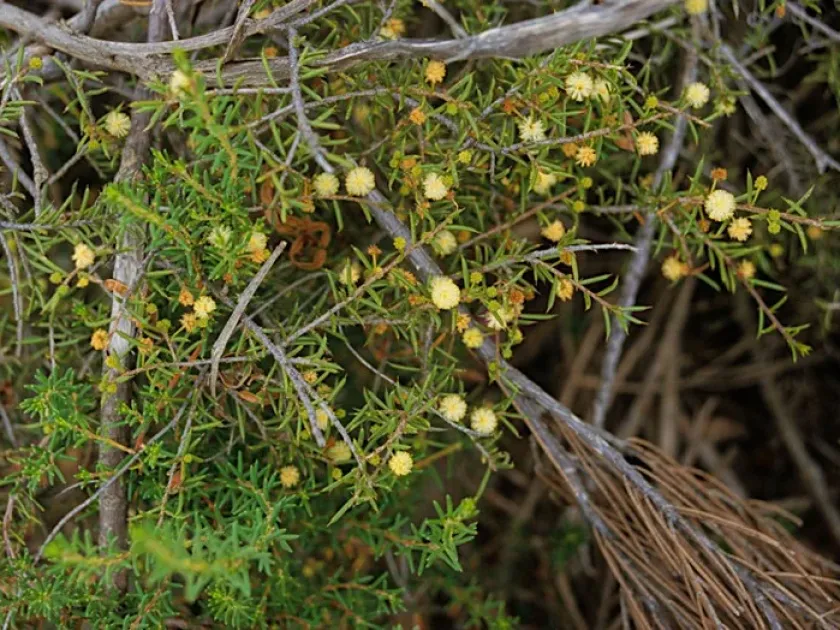
Description
Growing requirements
Acacia ingrata is a resilient woody shrub belonging to the Fabaceae family, native to the arid landscapes of Western Australia. This species has evolved to thrive in nutrient-poor environments, showcasing exceptional adaptations to low rainfall and high temperature fluctuations common in its habitat.
The botanical structure of this species includes fine, adapted foliage and a robust root system capable of deep soil penetration. As a nitrogen-fixing legume, Acacia ingrata plays a crucial role in ecological succession and soil enrichment, fostering improved productivity for surrounding ecosystems.
Cultivation requires well-drained, sandy or gravelly soils, as the plant is highly susceptible to root diseases in waterlogged conditions. Full sun exposure is essential for maintaining a dense, healthy canopy and ensuring regular flowering cycles throughout the growing season.
The plant demonstrates notable tolerance to saline soils, making it an excellent candidate for land reclamation projects in degraded or arid farming regions. It is well-suited for creating windbreaks and erosion-control barriers that protect more sensitive agricultural crops from mechanical damage.
From an agronomic perspective, Acacia ingrata acts as a stabilizing agent for loose soils. Its presence helps in increasing organic matter content over time, facilitating the long-term restoration of environmental balance in areas affected by desertification.
Main diseases and pests
Primary threats to Acacia ingrata include soil-borne fungal pathogens, particularly Phytophthora species, which thrive in moist soil conditions. Maintaining optimal drainage is the most effective preventative measure against these deadly infections, as chemical controls are often impractical in field conditions.
Insect pests, such as weevils and wood-boring beetles, can significantly impact plant health and reproductive capacity. These pests often target the seeds and stems, necessitating integrated pest management strategies if the goal is to produce high-quality seed material for propagation.
Foliage-feeding insects, including various leaf beetles, may cause damage to young saplings during periods of active growth. While mature plants are often more resilient, young crops should be monitored to ensure that defoliation does not hinder the establishment of the root system.
Herbivory by both feral animals and managed livestock poses a significant risk to the plant's development. Uncontrolled grazing can lead to structural damage and stunted growth, emphasizing the need for proper fencing in early-stage cultivation plots.
Environmental stresses, including sudden frost events if planted outside its natural range, can lead to dieback of the terminal branches. Proper site selection based on regional climate data is vital to ensuring the survival and long-term viability of the Acacia ingrata population.