
Flat-stalked wattle
Acacia glaucoptera
Description
Growing requirements
Acacia glaucoptera, commonly known as the Flat-stalked wattle, is a distinctive evergreen shrub belonging to the Fabaceae family, native to Western Australia.
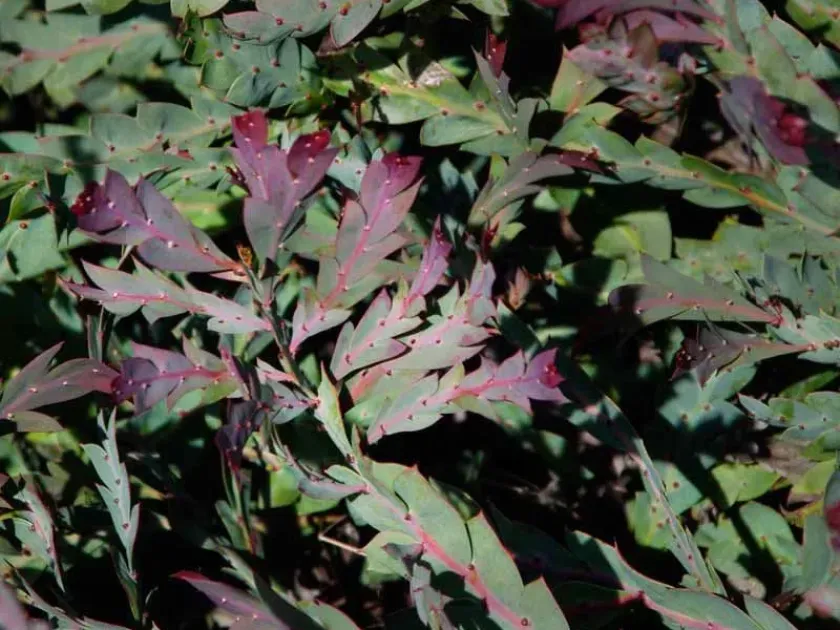
The plant is highly prized for its unique, flattened, and winged stems, which act as foliage and create a striking architectural appearance in a landscape.
It thrives in well-drained, sandy or gravelly soil conditions and requires full sun exposure to maintain its compact and dense growth habit.
Due to its origins, this species is exceptionally drought-tolerant once established but requires very little maintenance in terms of pruning.
It is best suited for climates that mimic its natural habitat, avoiding areas with prolonged humidity or frequent frost, which can damage the stems.
Main diseases and pests
The most significant threat to Acacia glaucoptera is root rot, which typically occurs due to poor soil drainage or overwatering in heavy soils.
Mealybugs are the most common pests found on this plant, often hiding in the crevices of the winged stems, making them difficult to detect.
Aphid infestations can also affect the plant during the flowering season, causing stress and potentially introducing viral diseases to the shrub.
Integrated pest management, including regular inspection and the use of targeted horticultural oils, is recommended to keep plants healthy.
Providing optimal aeration and ensuring the soil dries out sufficiently between watering cycles are the best preventative measures against pathogens.