
Cedar wattle
Acacia elata
Description
Growing requirements
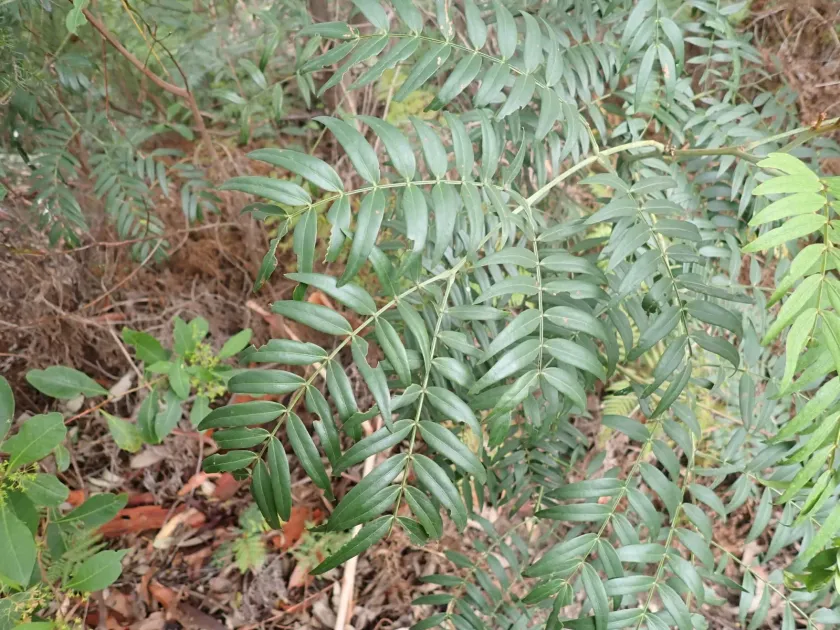
Cedar wattle, scientifically identified as Acacia elata, is a robust tree belonging to the Fabaceae family. Known for its impressive size and foliage, this species is distinguished by its feathery, dark green leaves that provide significant ornamental appeal and shade in garden environments.
The species originates from the eastern coastal regions of Australia. In its natural habitat, it thrives in temperate to subtropical climates and is typically found in moist, fertile forests. It demonstrates a preference for well-drained loamy soils but possesses the ability to adapt to varying soil conditions.
Regarding climatic needs, Acacia elata prefers areas with moderate rainfall and temperatures. It is not fully hardy against severe frosts, making it unsuitable for regions with extreme cold; therefore, it is best cultivated in sheltered, warmer climates where it can reach its full potential height.
Agricultural management should focus on initial establishment, including regular watering during the first growing seasons. Once the root system is well-established, the tree exhibits reasonable resilience, although consistent soil moisture remains key to maintaining the health and density of its canopy.
Host use involves widespread application in landscaping, primarily for parklands and large estates where a fast-growing, evergreen shade tree is required. Furthermore, as a nitrogen-fixing legume, it contributes significantly to soil restoration and improvement in agroforestry projects.
Main diseases and pests
Typical pests affecting this culture include wood-boring insects and foliage-eating beetles. These insects can cause structural damage to the branches or significantly reduce photosynthetic capacity if left unchecked, necessitating careful monitoring during the active growth season.
Disease threats mainly revolve around root rot pathogens that thrive in poorly drained environments. Ensuring that planting sites provide excellent soil drainage is the most effective preventative measure against fungal infections that could compromise the stability and longevity of the tree.