
Gidgee
Acacia cambagei
Description
Growing requirements
Gidgee (Acacia cambagei) is a prominent tree species belonging to the Fabaceae family, native to the arid and semi-arid regions of inland Australia. It is a highly resilient plant adapted to extreme climate variability.
The tree thrives in heavy clay soils, often dominating landscapes known as "gidgee scrubs." Its ability to withstand prolonged drought makes it an essential species for sustainable land management in challenging environments.
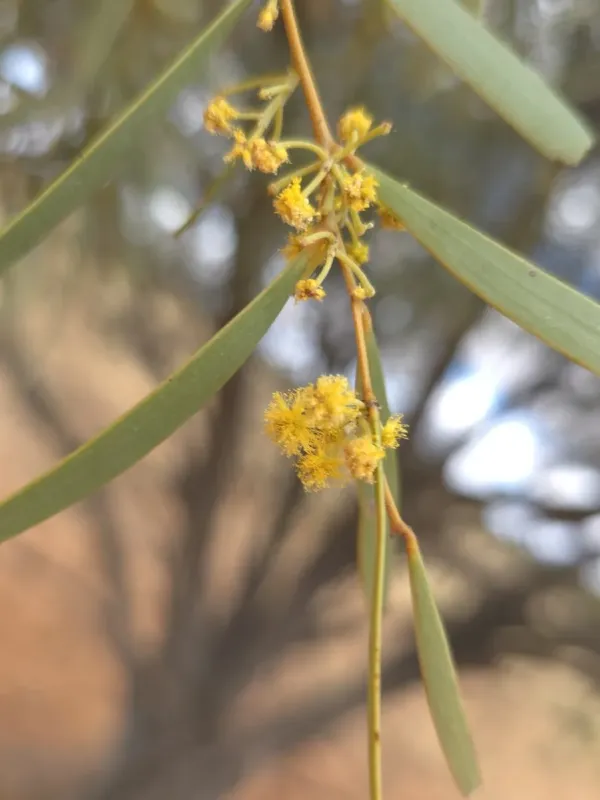
Botanically, Acacia cambagei is recognized by its narrow, silvery-grey phyllodes that exhibit a distinct waxy coating. This adaptation is crucial for surviving high temperatures and minimizing water loss through transpiration.
The wood of this species is renowned for its exceptional density and longevity. Historically, it has been used as a primary source for durable fence posts and high-quality firewood, often considered one of the hardest timbers in Australia.
As a key component of the Australian outback, it provides critical shelter for livestock and local wildlife. It also contributes to soil stabilization, preventing erosion in regions prone to flash flooding and high winds.
Main diseases and pests
The health of gidgee stands can be threatened by various insect herbivores, particularly beetles and larvae that feed on the phyllodes. Heavy infestations can inhibit growth and lead to premature leaf drop.
Fungal pathogens may cause stem and root rots, especially when the soil remains waterlogged for extended periods. Proper site selection and soil management are essential to mitigate these biological risks.
Mistletoe infestation is a common issue for mature trees. These hemiparasitic plants compete for resources and can cause branch dieback if not managed through selective pruning in sensitive areas.
Uncontrolled grazing by feral animals, such as goats, represents a significant threat to young saplings, preventing natural recruitment and regeneration. Excluding such herbivores is vital for plantation success.
Climate change poses a long-term risk, as altered fire regimes and extreme heatwaves can affect the survival rates of young plants. Monitoring and protective measures are necessary to preserve the genetic diversity of these trees.