
Acacia brachystachya
Acacia brachystachya
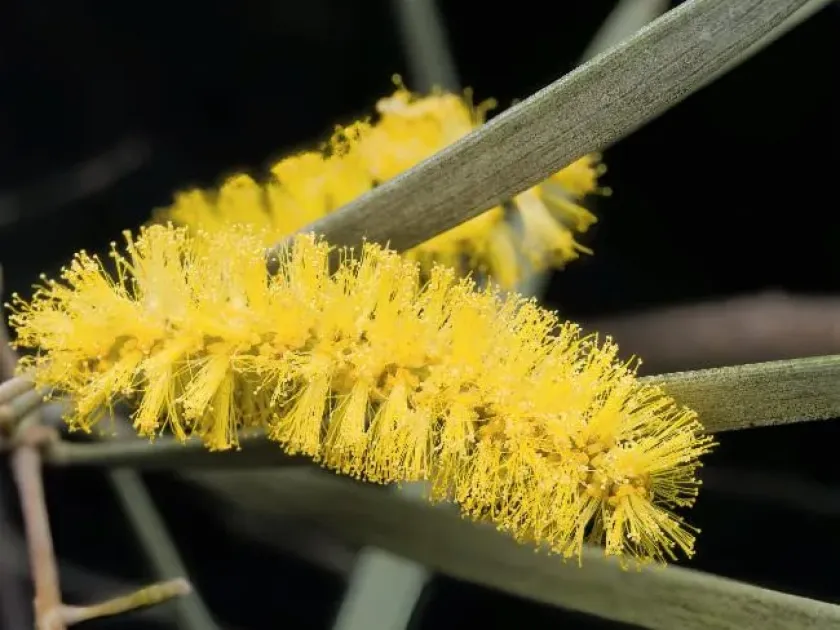
Description
Sowing dates
Acacia brachystachya, commonly known as the Umbrella Mulga, belongs to the Fabaceae family and is an iconic shrub of the Australian arid landscapes.
The seeds possess a hard, water-impermeable coat that requires mechanical scarification or immersion in boiling water to initiate the germination process.
For nursery propagation, a well-draining sandy substrate is essential to mimic the plant's natural desert environment and prevent seed decay.
Timing for sowing should be synchronized with the onset of warm, frost-free weather to ensure the seedlings develop a robust root system before any cold spells.
Once established, the plant exhibits exceptional growth vigor, making it a reliable choice for long-term revegetation projects in dry climates.
Growing requirements
This species is highly drought-tolerant and thrives in semi-arid and arid regions where other woody plants struggle to survive.
It prefers deep, well-drained loamy or sandy soils, demonstrating an incredible ability to extract moisture from the deepest layers of the substrate.
As a heliophile, the plant requires full sun exposure and fails to thrive under canopy cover or in shaded urban environments.
The species forms symbiotic relationships with nitrogen-fixing bacteria, which contributes to the enrichment of soil fertility in nutrient-poor desert zones.
Management of the plant in cultivation involves minimal intervention, provided the planting site is correctly selected to avoid waterlogged conditions.
Yield
Acacia brachystachya serves as a critical forage reserve for livestock during severe drought events when green pasture is scarce.
The biomass produced by this shrub is rich in nutrients and provides a stable food source for grazing herbivores in harsh environments.
Beyond fodder production, the timber is prized for its high density and is used for crafting tools and high-quality artisanal wooden products.
The plant is frequently utilized in land reclamation and erosion control efforts to stabilize shifting desert sands and restore damaged landscapes.
While yields of fodder fluctuate with rainfall patterns, the plant's reliability during extreme conditions makes it a cornerstone of arid-land management.
Main diseases and pests
The species is remarkably hardy and resistant to most common plant pathogens due to its evolutionary adaptation to hostile environments.
Potential threats include various seed-boring insects, which can affect the viability of the seed crop and limit natural recruitment of the population.
Over-irrigation is the primary anthropogenic threat to this species, as it leads to root rot and quickly weakens the plant's natural defense mechanisms.
Grazing pressure from feral animals or livestock can inhibit the growth of young plants, necessitating the use of protective fencing during the establishment phase.
Integrated pest management strategies focusing on monitoring are usually sufficient, as the plant rarely requires chemical pesticide applications.