
Barrier Range Wattle
Acacia beckleri
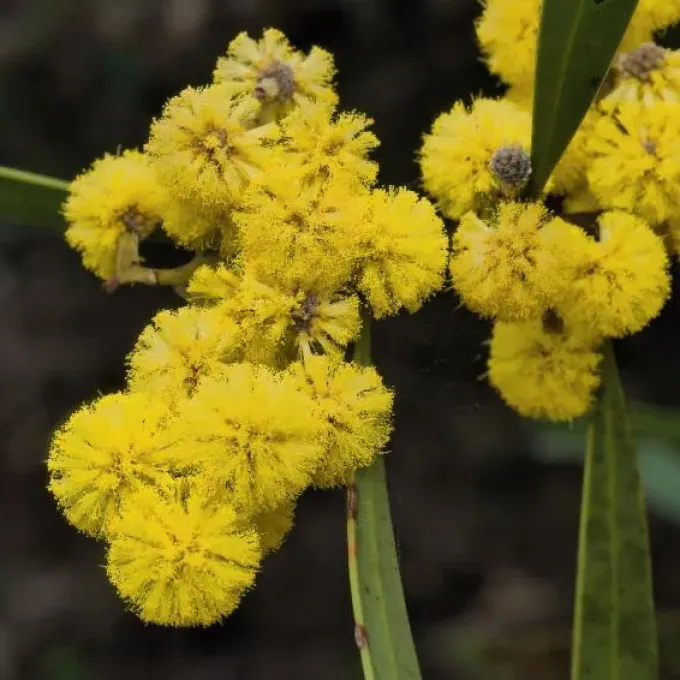
Description
Growing requirements
Acacia beckleri, commonly known as the Barrier Range Wattle, is a resilient evergreen shrub belonging to the Fabaceae family. Native to the arid regions of Australia, it is highly valued for its exceptional ability to withstand harsh environmental conditions.
The plant is botanically characterized by its unique phyllodes, which are flattened leaf stalks that function as leaves. This adaptation is a key survival mechanism, allowing the shrub to minimize transpiration and survive in low-rainfall environments.
Successful cultivation requires well-draining soil, as this species is highly susceptible to root damage if left in waterlogged conditions. It thrives in rocky, sandy, or well-drained loam soils typical of its natural habitat.
This shrub is an obligate sun-lover, requiring full exposure to sunlight to maintain its dense habit and stimulate the production of its characteristic golden-yellow flowers during the spring season.
In terms of horticultural use, Acacia beckleri is primarily employed in xeriscaping, erosion control, and ornamental gardening, where its ability to thrive without intensive irrigation is a significant advantage.
Main diseases and pests
The most common pests affecting Acacia beckleri include aphids, scale insects, and occasionally spider mites. These pests typically congregate on new, tender growth and can be managed through physical removal or insecticidal soap.
Root rot, caused by fungal pathogens such as Phytophthora, represents a critical threat. It is almost exclusively triggered by poor drainage and excessive moisture, making correct site selection vital for longevity.
Canker diseases may affect the stems and branches, often resulting from environmental stress or physical injuries. These infections require pruning the affected sections and ensuring the plant is not under drought stress.
Monitoring the foliage for discoloration or signs of stunted growth is essential for early detection of potential health issues, allowing for quick intervention before a significant infestation occurs.
Maintaining proper spacing between shrubs is recommended to ensure adequate airflow, which is a fundamental practice to prevent the development of mold and various leaf-spotting fungal diseases.