
Alpine wattle
Acacia alpina
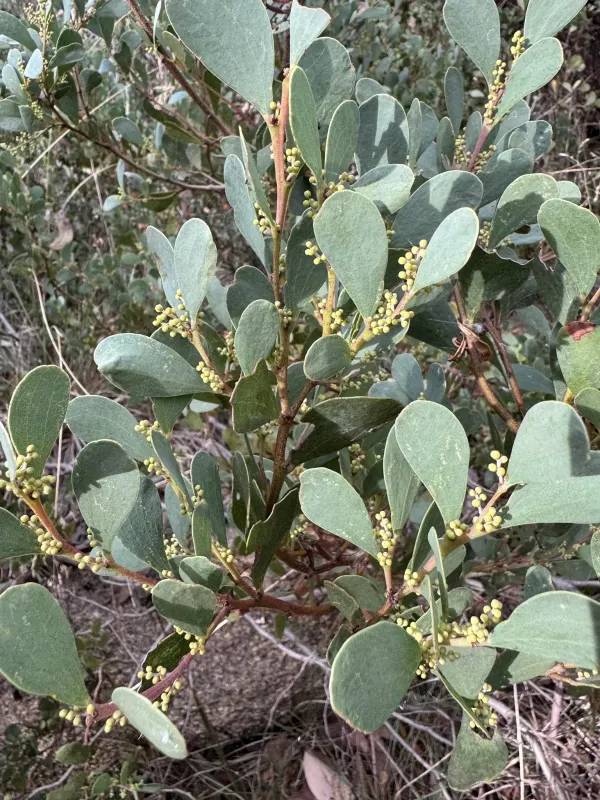
Description
Growing requirements
The Alpine wattle (Acacia alpina) is a distinct species of shrub belonging to the Fabaceae family. Unlike many other Acacia species, it is characterized by a low, spreading, and often mat-like growth habit, specifically evolved to thrive in high-altitude environments.
The species is native to the alpine and sub-alpine regions of New South Wales and Victoria in Australia. Its natural distribution is restricted to cold, high-elevation areas where it endures frost, snow, and strong mountain winds throughout the year.
In terms of cultivation, the Alpine wattle requires well-drained, stony or sandy soil types. It is particularly sensitive to waterlogging, as its root system is specialized for porous soils, and excessive moisture can quickly lead to physiological decline.
High levels of sunlight are crucial for the plant to maintain its structural integrity and dense foliage. It should be situated in an open area with no shade from larger trees or structures, ensuring it receives full UV exposure during the growing season.
Agricultural management of this crop involves minimal fertilization, as it is adapted to nutrient-poor soils. It is essential to avoid disturbing the root zone during weeding or maintenance, as the plant is notoriously difficult to transplant once established.
Main diseases and pests
The most common disease threat to Acacia alpina is root rot (Phytophthora or Pythium species), which is triggered by poor drainage or overly compacted soil. Once the roots are compromised, the plant is difficult to save.
Pest pressure often comes from soil-dwelling larvae, such as scarab beetles, which feed on the root system. On the surface, aphids may target the young, tender growth tips during the spring flush, causing leaf deformation.
Integrated pest management should be prioritized over aggressive chemical intervention. Using biological controls, such as beneficial predatory insects, can help keep aphid populations in check without damaging the delicate shrub.
Fungal leaf spots can occur during unusually wet and humid summers. Proper ventilation and spacing between plants are essential to reduce humidity levels within the canopy and prevent the spread of fungal spores.
To ensure long-term health, monitor the plant for signs of chlorosis, which may indicate either nutrient deficiency or oxygen starvation in the roots. Proper moisture management remains the primary defense against most biological threats to this species.