
Polyosma integrifolia
Polyosma integrifolia
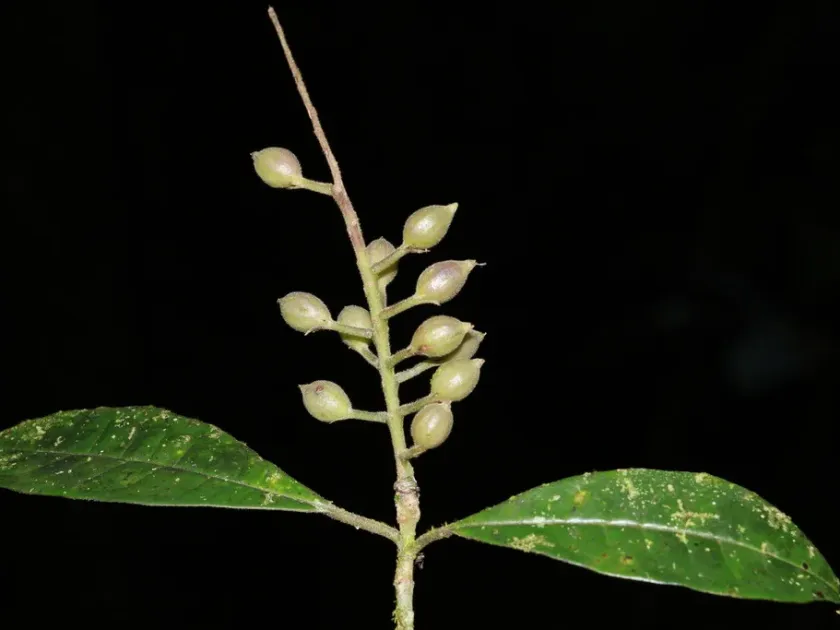
Description
Growing requirements
Polyosma integrifolia is an evergreen species belonging to the Escalloniaceae family. Native to the humid tropical forests of Southeast Asia, this plant thrives in environments characterized by consistently warm temperatures and high relative humidity throughout the year.
The cultivation of this plant requires specific soil conditions, specifically well-draining substrates rich in organic matter. A neutral to slightly acidic soil pH is essential for optimal nutrient uptake and root system health, mimicking the forest floor environment.
As a shade-tolerant species, Polyosma integrifolia performs best under canopy light or filtered sun exposure. Excessive exposure to direct, harsh sunlight can lead to leaf scorching and premature shedding, significantly impacting the aesthetic value of the plant.
Agricultural management involves strict irrigation protocols to maintain constant soil moisture without causing waterlogging. Adequate air circulation is crucial to prevent fungal growth, especially when cultivating the species in greenhouse environments.
In terms of utilization, the plant is primarily cultivated as an ornamental shrub in botanical gardens and conservatories. It remains a subject of botanical interest due to its specific chemical profile and its ecological role within tropical ecosystems.
Main diseases and pests
Common threats to the plant include root rot caused by Oomycetes and various soil-borne pathogens. Maintaining a porous, well-aerated soil structure is the primary defense strategy against these harmful biological factors.
Pests such as spider mites, aphids, and scale insects may infest the foliage, especially in low-humidity environments. Periodic integrated pest management (IPM) practices, including biological control and targeted acaricides, are recommended for maintaining plant vigor.