
Erythea
Erythea
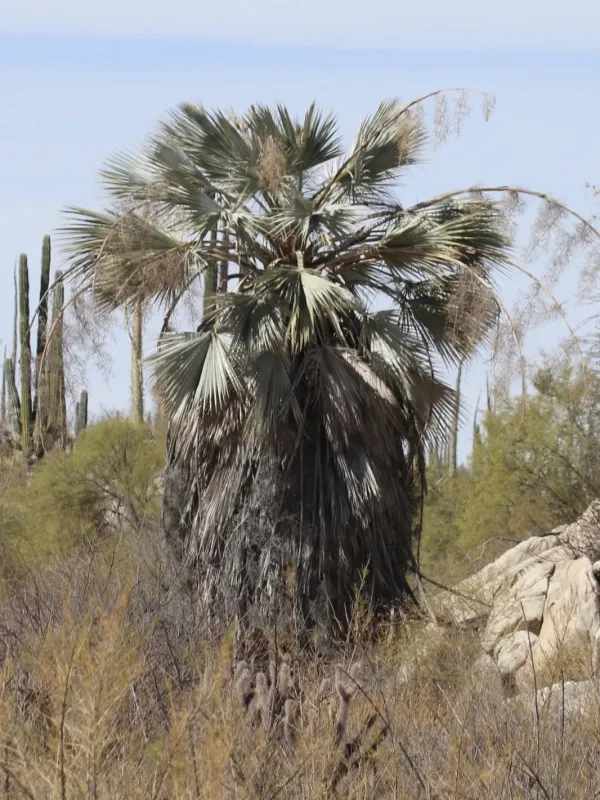
Description
Growing requirements
Erythea is a genus of fan palms belonging to the Arecaceae family, now commonly recognized under the taxonomic name Brahea.
These plants are native to the arid and semi-arid regions of Mexico and the Southwestern United States, where they thrive in rocky or sandy substrates.
Botanically, they are characterized by stiff, circular fan-shaped leaves and a robust trunk that can reach significant heights in their natural environment.
Cultivation requirements involve full sun exposure, as these palms need intense light to maintain their distinct foliage color and structural integrity.
Proper soil management is critical; the medium must be highly porous and fast-draining to prevent root asphyxiation, a common issue in container gardening.
Main diseases and pests
The most common pests affecting Erythea include spider mites, which thrive in low-humidity environments, leading to leaf discoloration and decline.
Mealybugs and scale insects may also infest the base of the petioles, requiring careful inspection and manual removal or insecticidal intervention.
Root rot caused by Phytophthora or Pythium species remains the primary threat, usually triggered by excessive irrigation or poor drainage conditions.
Fungal leaf spot diseases are occasionally observed when air circulation is inadequate, leading to persistent dampness on the foliage surface.
Integrated pest management strategies should emphasize drought-like cycles between waterings to discourage pathogens and prevent infestation outbreaks.