
Syngonanthus nitens
Syngonanthus nitens
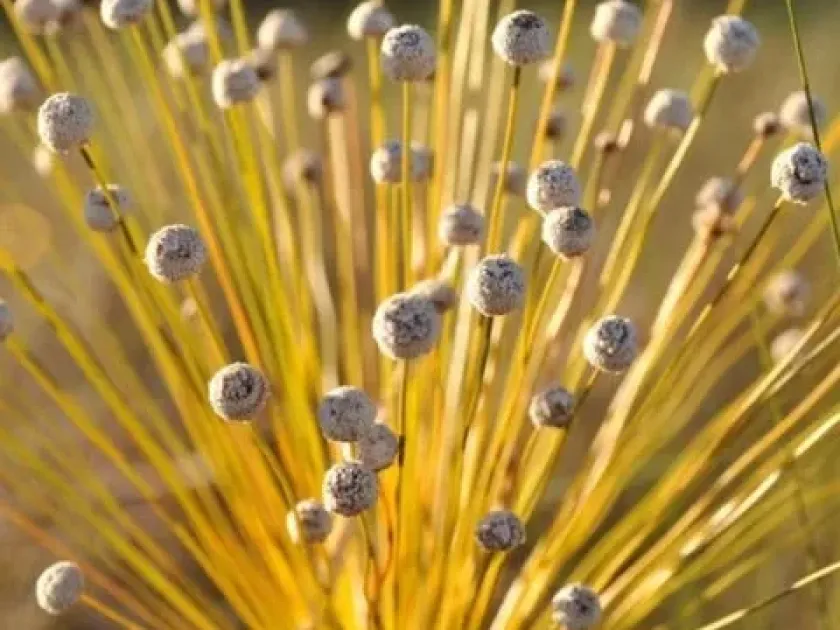
Description
Growing requirements
Syngonanthus nitens, a member of the Eriocaulaceae family, is a herbaceous perennial widely recognized for its aesthetic value in the ornamental industry.
The plant is native to the Cerrado regions of Brazil, specifically in Jalapão. It has evolved to thrive in nutrient-poor, sandy soils that are characteristic of tropical savannas.
Successful growth of this crop requires full sun exposure and well-drained, acidic soil conditions. It does not tolerate high concentrations of minerals or fertilizers, which can be detrimental.
Botanically, it features rigid stems and dense, globular inflorescences. The structural integrity and metallic sheen of the flowers are unique traits that set it apart from other wild grasses.
The plant demonstrates a remarkable adaptation to seasonal environmental changes, maintaining its structure even during harsh, dry periods within its natural geographic range.
Harvesting
The primary economic use of Syngonanthus nitens is in the floral industry, where it is highly prized as a premium dried flower known as "golden grass" or "capim dourado".
Harvesting practices are carefully managed to ensure the sustainability of the populations. The techniques involve manual cutting to prevent damage to the underground stems and root systems.
Post-harvest processing involves air-drying the stems in shaded, ventilated areas. This method is critical to preserving the plant's distinctive golden appearance and structural rigidity.
The dried stems are processed by artisans into various high-end accessories, including jewelry, bags, and decorative objects, which are sold globally as artisanal handicrafts.
Maintaining the moisture balance during storage is essential. Exposure to high humidity can affect the sheen of the golden inflorescences, thereby reducing the commercial value of the crop.