
Richea scoparia
Richea scoparia
Description
Growing requirements
Richea scoparia is a distinctive evergreen shrub belonging to the Ericaceae family. It is native to the alpine and subalpine regions of Tasmania, where it dominates the landscape as a hardy, dense, and slow-growing woody plant adapted to extreme mountainous weather.
The cultivation of this plant requires a specific temperate climate characterized by cool summers and high atmospheric humidity. In artificial environments, Richea scoparia thrives best in regions with mild maritime climates where extreme heat and desiccation do not occur.
Regarding soil requirements, the plant strictly demands acidic substrates with excellent drainage properties. It is highly intolerant of waterlogging and nutrient-rich, heavy soils, which often lead to rapid decline and the development of fatal fungal infections.
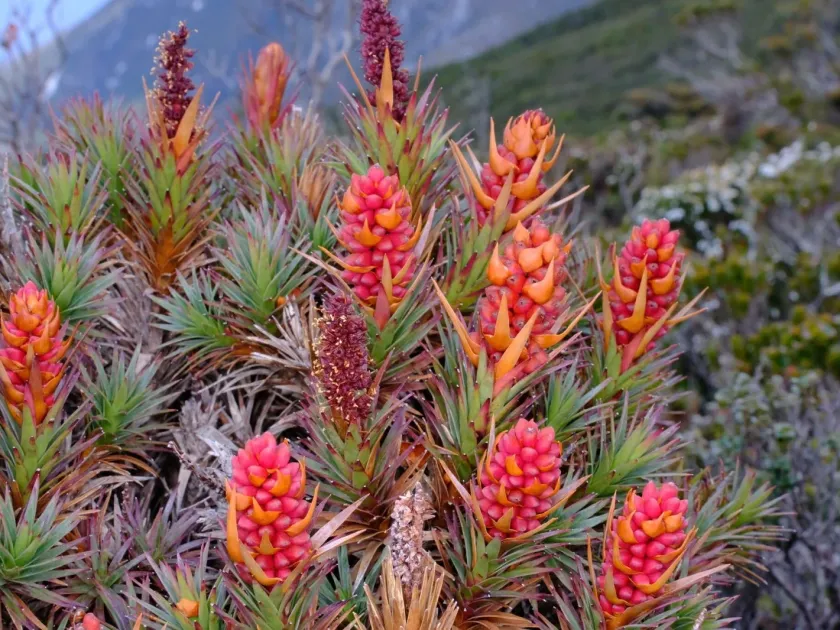
Botanically, the species is recognized by its rigid, lanceolate leaves that form dense, prickly-looking clusters around the stems. The inflorescences are showy, ranging from white to deep crimson, which makes it a highly sought-after specimen for specialized rock gardens and botanical displays.
Economically, Richea scoparia serves primarily as an ornamental plant for niche horticultural markets. It is predominantly cultivated by botanical gardens and collectors who specialize in high-altitude flora or ericaceous species that require precise environmental controls.
Main diseases and pests
The primary threats to Richea scoparia are soil-borne pathogens such as Phytophthora species, which thrive in poorly drained environments. Managing soil moisture and preventing root asphyxiation are critical aspects of successful long-term plant husbandry for this species.
In greenhouses or controlled garden conditions, pests such as spider mites may infest the foliage. Monitoring and early intervention with mild, systemic horticultural soaps are recommended to prevent severe damage to the plant's unique needle-like leaf structure.