
Rhododendron wardii
Rhododendron wardii
Description
Growing requirements
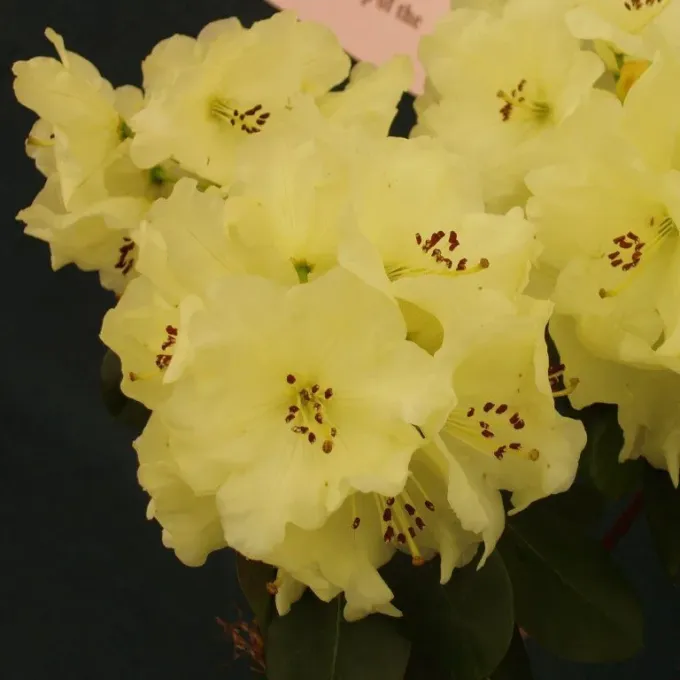
Rhododendron wardii is an elegant evergreen shrub belonging to the Ericaceae family. Native to the mountainous regions of Western China and Tibet, it is highly valued in horticulture for its beautiful cup-shaped yellow or white flowers.
This species thrives in temperate climates characterized by cool summers and high humidity. It requires a partially shaded environment, as direct afternoon sun can cause leaf scorch and damage the plant's delicate foliage during hot spells.
Soil composition is the most critical factor for success. The plant demands a well-draining, acidic growing medium with a pH range between 4.5 and 5.5. A mix of peat moss, pine needles, and coarse grit is ideal for maintaining the necessary soil structure.
Proper water management is essential; the root system is shallow and sensitive to both drought and waterlogging. Regular mulching is recommended to retain soil moisture and regulate ground temperature throughout the growing season.
Fertilization should be handled with caution, using only fertilizers specifically formulated for acid-loving plants. Avoid the use of lime or wood ash, as these substances can rapidly increase soil pH, leading to chlorosis and stunted growth.
Main diseases and pests
Rhododendron wardii is susceptible to several pathogens, with Phytophthora root rot being the most serious concern. This condition is almost exclusively caused by poor soil drainage and excessive moisture saturation in the root zone.
Common pests include the rhododendron leafhopper and spider mites. These pests thrive in dry conditions and can cause significant damage by sucking sap from the leaves, resulting in mottling, yellowing, and general plant decline.
Integrated Pest Management (IPM) is the most effective approach. This includes visual monitoring, removal of infested parts, and the application of horticultural oils or systemic insecticides only when pest thresholds are exceeded.
Fungal leaf spots are another common issue, often appearing in damp and poorly ventilated areas. Ensuring proper spacing between plants and pruning for airflow significantly reduces the risk of these infections spreading within a garden.
Winter care is vital in colder zones; preventing desiccation from winter winds is key. Applying an organic mulch layer late in the autumn helps protect the shallow roots from freeze-thaw cycles that can heave the plant out of the soil.