
Rough-leaved rhododendron
Rhododendron scabrifolium
Description
Growing requirements
The rough-leaved rhododendron (Rhododendron scabrifolium) is an ornamental shrub belonging to the Ericaceae family. It is native to the mountainous regions of Yunnan and Sichuan in China, where it grows in cool, moist habitats.
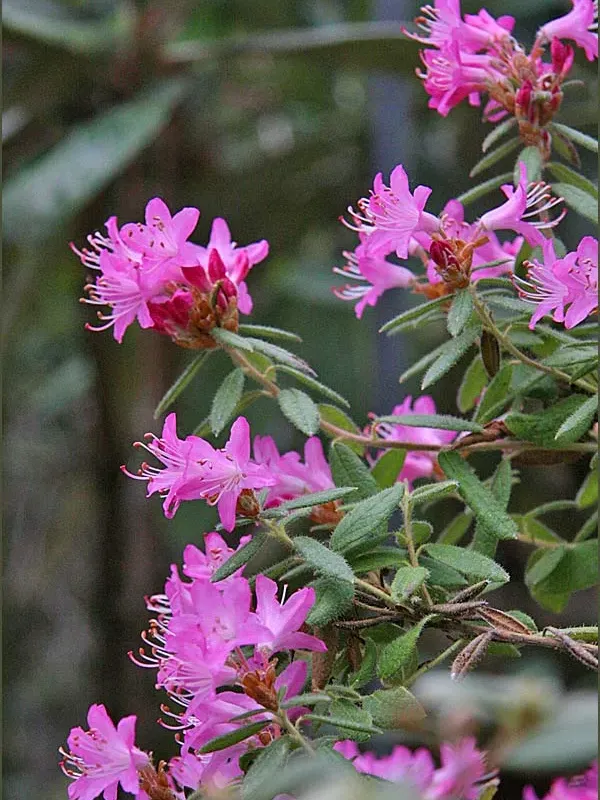
Botanically, this species is distinguished by its scabrous or rough-textured leaves, covered in glandular hairs. These leaves are typically lanceolate and remain green throughout the year in suitable conditions.
To cultivate this plant successfully, one must provide acidic soil with a pH ranging between 4.5 and 5.5. The potting mix must be rich in organic matter and possess excellent drainage to prevent root rot.
In terms of climate, the species thrives in areas with high humidity and moderate temperatures. It should be planted in partial shade, protected from intense midday sun and drying wind.
Regular monitoring of soil moisture is essential; the plant requires consistent hydration but cannot tolerate standing water, which is a leading cause of mortality in cultivation.
Main diseases and pests
The primary threats to Rhododendron scabrifolium include fungal pathogens such as Phytophthora and powdery mildew, which thrive under conditions of poor ventilation and excessive moisture.
Pests like spider mites and rhododendron bugs are common issues. They feed on the sap of the leaves, resulting in stippling, chlorosis, and general decline of the shrub's health.
Nutrient deficiencies, particularly iron or magnesium, are frequently observed when the soil pH rises above the optimal range, resulting in interveinal chlorosis.
Integrated pest management, including regular inspection and the use of targeted systemic insecticides or horticultural oils, is necessary to mitigate pest pressure.
Pruning should be performed with caution to improve airflow through the canopy, which helps in preventing fungal outbreaks and promotes the development of stronger, healthier branches.