
Bog-rosemary
Andromeda polifolia L. var. latifolia Aiton
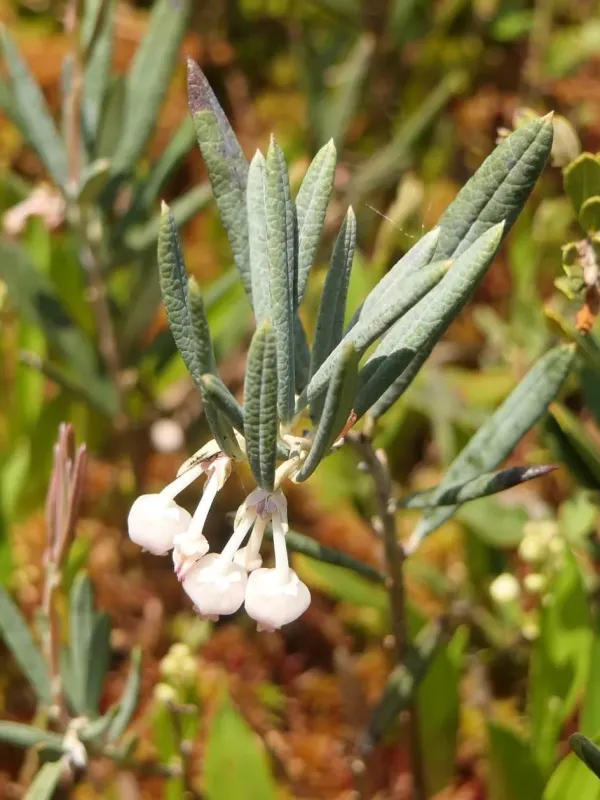
Description
Growing requirements
Bog-rosemary (Andromeda polifolia L. var. latifolia) is a member of the Ericaceae family. It is a slow-growing evergreen dwarf shrub native to peat bogs and cold temperate regions of the Northern Hemisphere, known for its elegant, bell-shaped pink or white flowers.
The cultivation of this plant relies heavily on soil conditions. It requires acidic, well-draining soil with a high content of organic peat. The roots must be kept in a consistently moist environment, yet they are highly susceptible to root rot if water stagnation occurs.
In terms of climate, the plant thrives in cooler regions. It prefers partial shade to prevent excessive heat stress on its leathery, lanceolate leaves. Protection from the drying effects of direct afternoon sun and strong winds is essential for maintaining plant vigor.
Management involves regular mulching with pine needles or bark mulch. This practice serves two purposes: it helps retain moisture in the substrate and maintains the required soil acidity, which is critical for nutrient uptake and the general health of the shrub.
Its primary use is in ornamental landscaping. It is highly valued in rock gardens, peat gardens, and container arrangements where the specific conditions for acid-loving ericaceous plants can be easily controlled and monitored by the gardener.
Main diseases and pests
The main threats to Bog-rosemary are fungal infections triggered by inadequate drainage or poor air circulation. Root rot and leaf spot are common issues that often lead to the rapid decline of the plant if not detected in the early stages.
Pests such as spider mites can infest the plant, especially in drier environments with low humidity. These pests suck juices from the leaves, leading to chlorosis and potential leaf drop, which significantly damages the aesthetic value of the shrub.
Integrated pest management is recommended for controlling threats. This includes maintaining proper spacing between plants to encourage air movement and using targeted biological treatments to minimize the impact on soil acidity.
Monitoring the plant health involves regular checks for signs of distress, such as discolored leaves or wilting. Removing infected parts and maintaining the correct soil pH are the most effective ways to prevent the recurrence of common diseases.
Finally, avoid all fertilizers that contain lime or alkaline compounds. These amendments are highly detrimental to the physiology of Bog-rosemary and will almost certainly result in the plant's death if added to the soil.