
Bog-rosemary
Andromeda polifolia L.
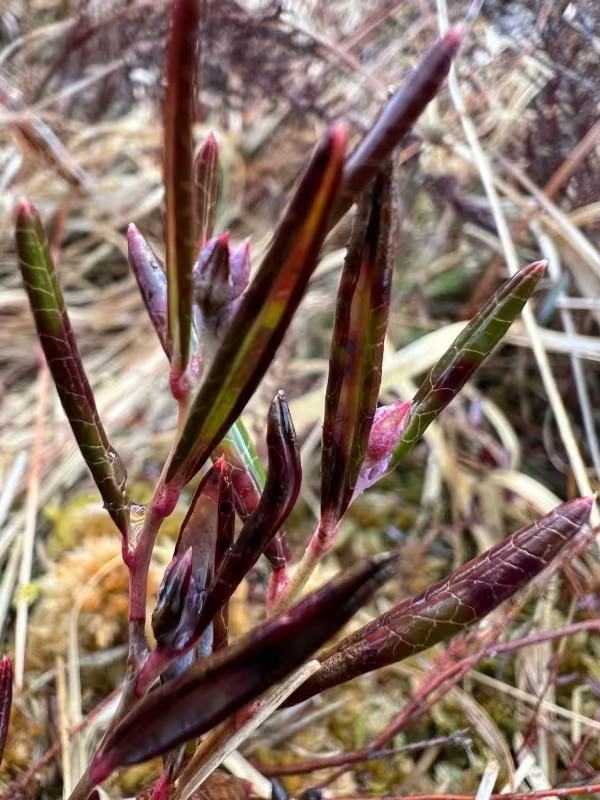
Description
Growing requirements
Bog-rosemary is an evergreen shrub belonging to the Ericaceae family, naturally occurring in peatlands and tundra regions of the Northern Hemisphere. Its biological structure is highly adapted to acidic and waterlogged environments.
Agricultural cultivation requires specific soil conditions, prioritizing high-acid substrates with a pH range of 3.5 to 4.5. Utilizing sphagnum peat moss mixed with sand provides the best structure for root aeration and nutrient retention.
Maintenance involves ensuring consistent moisture levels, as the plant cannot tolerate dry conditions. However, the root zone must remain well-drained to prevent anaerobic conditions that lead to severe physiological stress.
The plant is primarily cultivated for ornamental purposes in rock gardens or specialized heath beds. It is appreciated for its delicate, bell-shaped flowers and foliage that retains its color throughout the year.
Temperature tolerance is a hallmark of this species, making it an excellent choice for northern climates. It requires minimal protection during winter, provided that the soil retains some level of moisture.
Main diseases and pests
The primary threats to this crop include fungal infections such as leaf spot and root rot, which are often exacerbated by poor drainage and stagnant air conditions.
Spider mites and scale insects can be significant pests during the summer, particularly in environments with low atmospheric humidity and high heat stress.
Effective pest control strategies focus on integrated management, avoiding overly toxic chemicals that could harm the delicate balance of the acidic soil microflora.
General plant health is maintained by pruning damaged branches and ensuring the pH remains within the specified range, as alkaline drift is fatal to the plant.
Gardeners must exercise caution when handling the plant, as it contains andromedotoxin, a compound that is toxic if ingested by humans or domestic animals.