
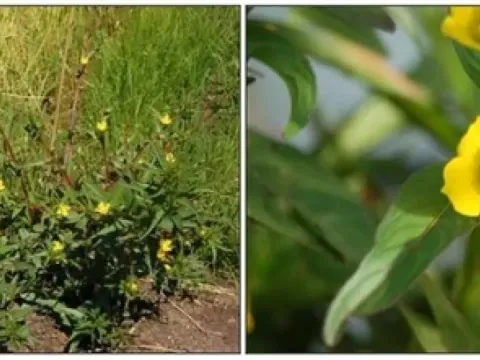
Bergia
Bergia
The genus Bergia belongs to the Elatinaceae family. These are mostly herbaceous plants or subshrubs, often found thriving in environments with high moisture levels or in close proximity to standing water bodies.
What the section contains


Bergia
Unlike traditional agricultural crops, species within this genus are specialized hydrophytes. They prefer wet, marshy, or saline soils where most conventional commercial crops struggle to survive or establish themselves properly.
For optimal growth, Bergia requires high levels of sun exposure and consistent substrate moisture. The plants exhibit significant biological plasticity, allowing them to adapt to temporary flooding conditions, which makes them key indicators for specific wetland soil types.
Geographically, the genus is distributed across tropical and temperate zones of the globe. From an agronomic perspective, Bergia is frequently encountered as a weed in paddy fields or as part of the unique flora in waterlogged regions.
Botanically, Bergia is characterized by opposite leaves and small, axillary flowers. The root system is generally underdeveloped, which is a common adaptation for plants accustomed to semi-aquatic habitats and constant nutrient uptake from nutrient-rich silty sediments.