
Bergia capensis
Bergia capensis
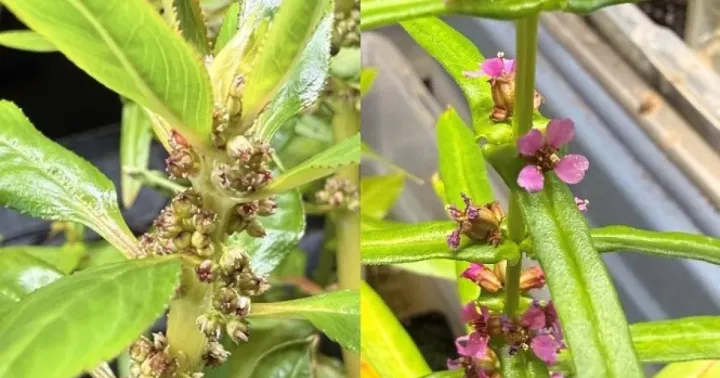
Description
Sowing dates
Bergia capensis is a moisture-loving species that requires specific moisture levels for successful germination. In its natural habitat, seeds often sprout following the recession of water levels in wetland areas or rice fields.
For agricultural or nursery purposes, seeds should be sown in a water-saturated substrate. Maintaining a consistent temperature between 20-22 degrees Celsius is crucial to ensure a uniform and healthy emergence of seedlings.
The seeds are notably small, which necessitates shallow planting. Pressing the seeds lightly onto the surface of the moist soil or covering them with a very thin layer of sand is sufficient to trigger the germination process.
Sowing should ideally occur in early spring when day length increases, providing the young plants with the necessary solar energy for rapid root development and foliage growth.
Using a greenhouse or indoor setup before transplanting can significantly improve survival rates, especially in regions where late spring weather remains unpredictable or too cool for initial growth.
Growing requirements
This plant belongs to the Elatinaceae family, a group known for its adaptation to aquatic and semi-aquatic environments. Bergia capensis thrives in environments where soil moisture remains consistently high.
Sunlight is a primary requirement for this species. It demands full sun exposure to maintain its metabolic rate and structural integrity; shaded conditions often lead to etiolation, where the stems become weak and elongated.
The soil should be nutrient-rich, preferably a silty or loamy texture that retains water well. While it can adapt to various pH levels, a neutral environment is generally preferred for optimal nutrient uptake.
Temperature stability is vital throughout the growing season. The plant exhibits high sensitivity to sudden cold snaps, which can permanently damage the soft, succulent tissues of the stem and leaves.
Regarding agricultural management, maintaining a constant supply of water is the most important factor. If the soil becomes overly dry, the plant quickly loses turgor and struggles to recover its original vigor.
Main diseases and pests
Fungal infections represent the most significant threat to Bergia capensis, particularly in environments with stagnant water or poor air circulation. Root rot and leaf spots can develop rapidly if conditions remain overly humid without ventilation.
Insect pests, such as aphids, frequently target the succulent tips of the stems. Their feeding activities cause structural deformation and create entry points for secondary bacterial and fungal pathogens.
Weed competition is another major concern. Because this plant occupies niches often shared by fast-growing aquatic weeds, regular weeding is essential to prevent the seedlings from being overshadowed and stunted.
Environmental stress caused by temperature fluctuations or rapid water level drops can weaken the plant, making it significantly more susceptible to both pests and diseases during the critical vegetative phase.
To effectively manage these threats, integrated pest management practices should be followed, focusing on proper density control and ensuring adequate airflow to keep the plant canopy healthy and robust.