
Tacca leontopetaloides
Tacca leontopetaloides
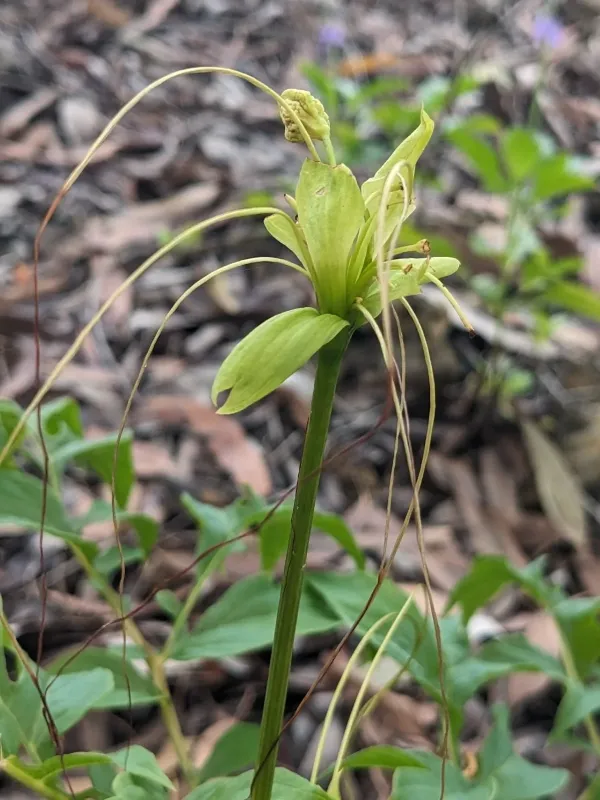
Description
Sowing dates
Planting Tacca leontopetaloides typically coincides with the onset of the wet season, which provides the necessary moisture for germination and initial growth. Farmers use either seeds or small tuber segments, planting them in well-prepared, loose soil to facilitate root expansion.
Proper spacing is essential to ensure that each plant has enough room to develop its large foliage and extensive underground tuber system. In commercial fields, row planting is preferred to simplify irrigation, weeding, and the monitoring of plant health throughout the season.
Tubers are buried at a depth of 5 to 10 centimeters, protecting them from excessive solar radiation and ensuring a stable temperature environment for early root formation. Consistent moisture during the first few weeks is crucial, but waterlogging must be avoided to prevent early decay.
The plant adapts well to various soil types, but it thrives best in sandy or loamy soils with excellent drainage. Incorporating organic matter during the land preparation stage significantly boosts growth rates and helps establish a strong foundation for the crop.
Belonging to the Dioscoreaceae family, this species requires careful management of sunlight. While it can tolerate partial shade, it needs adequate light to fuel the metabolic processes involved in starch accumulation within the tubers, making strategic site selection vital.
Growing requirements
Tacca leontopetaloides is a perennial herb well-adapted to tropical climates characterized by distinct wet and dry seasons. It requires ambient temperatures between 25 and 32 degrees Celsius, as cold snaps can cause severe growth retardation or dormancy.
The crop demands loose, aerated soils that allow tubers to grow without physical resistance. A neutral to slightly acidic pH is ideal, as it facilitates the optimal uptake of minerals and micronutrients essential for healthy vegetative development.
While the plant is moisture-loving, it is highly sensitive to waterlogged conditions, which often lead to fungal infections of the tubers. Selecting a site with natural slope or high porosity is a standard practice for successful cultivation in humid tropical zones.
Light intensity is a major factor in determining the quality and size of the tubers. Although the plant can survive in partial shade, exposure to filtered sunlight for most of the day promotes vigorous leaf production and higher yields of carbohydrates.
Maintaining soil fertility through organic composting and appropriate crop rotation cycles ensures the longevity of the land. This approach prevents nutrient depletion and helps manage potential soil-borne pathogens that might otherwise flourish in mono-cropping systems.
Yield
The yield of Tacca leontopetaloides is measured primarily by the weight and starch density of its subterranean tubers. With optimal management, a single plant can produce several kilograms of high-quality starch, making it a reliable food security crop in tropical regions.
The maturation period usually spans 8 to 12 months, during which the plant accumulates significant starch stores. Farmers determine the harvest readiness based on the visible decline and yellowing of the foliage, signaling the end of the metabolic cycle.
To maximize yields, practitioners often employ regular mounding or hilling techniques. This prevents tubers from being exposed to the sun and stimulates the development of additional lateral roots, which directly correlates to the final weight of the harvested product.
Yield stability depends on consistent water availability during the primary growing stages. Even in rain-fed systems, supplementary irrigation can significantly increase the total biomass production compared to relying solely on erratic rainfall patterns.
Processing the yield into starchy flour requires prompt action after harvest. Effective post-harvest handling ensures that the starch quality remains intact, preventing unwanted fermentation or mold growth that would otherwise diminish the market value of the crop.
Main diseases and pests
Fungal diseases, particularly root and tuber rots, pose the greatest threat to Tacca leontopetaloides plantations, especially during periods of excessive rainfall. Improving field drainage is the most effective preventative measure against these infections.
Soil-dwelling pests and nematodes can cause physical damage to developing tubers, making them susceptible to secondary infections and reducing the overall harvest quality. Using healthy, certified planting material is key to limiting these initial risks.
Viral infections transmitted by insect vectors can cause leaf mosaic and growth deformities. Regular field monitoring and the immediate removal of symptomatic plants are necessary to contain the spread of these pathogens across the plantation area.
Weeds compete aggressively for nutrients and light in the early stages of the crop. Manual weeding or the use of organic mulches is essential to give the young plants a competitive edge, ensuring they establish a healthy root system before the canopy closes.
Poor storage conditions after the harvest represent a significant threat to the shelf life of the tubers. Maintaining dry, cool, and well-ventilated storage facilities is critical to prevent the development of mold and the loss of nutritional value.
Harvesting
The harvesting process begins once the aerial parts of the plant naturally wither and dry out. This change in color indicates that the plant has ceased its vegetative growth and successfully concentrated its energy resources within the tuberous parts.
During excavation, tools must be used carefully to avoid cutting or bruising the tubers. Mechanical damage creates open wounds that serve as entry points for decay-causing microorganisms, significantly reducing the viability of the harvested product for long-term storage.
Post-harvest cleaning involves removing soil and fibrous roots from the tubers. In traditional agricultural settings, this is followed by thorough washing in fresh water to prepare the product for either immediate consumption or further processing into flour.
The extracted starch is a valuable, shelf-stable commodity. Proper drying techniques are essential to reduce moisture content, preventing the growth of spoilage organisms and preserving the starch quality for extended periods of time in tropical climates.
Logistics require careful handling and the use of breathable containers. Stacking tubers in tight, non-ventilated crates can cause overheating and trigger anaerobic processes, leading to quick spoilage during transit from the field to the processing facility.