
Tacca palmata
Tacca palmata
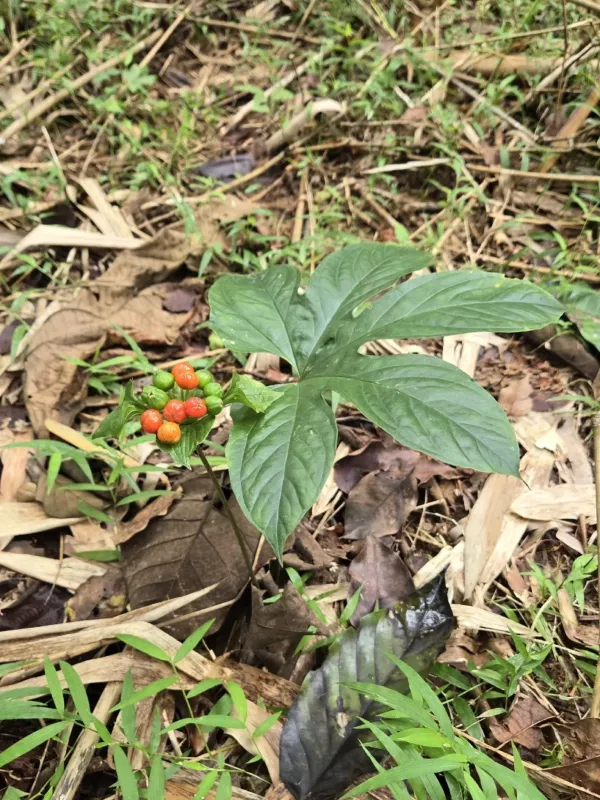
Description
Sowing dates
Propagation of Tacca palmata is most efficiently performed through the division of mature rhizomes. This procedure should be scheduled for the early spring season to allow the plant to establish roots before the peak growth period.
Seed propagation is a long-term process that requires patience and high-temperature conditions. Seeds should be sown immediately after harvesting in a lightweight, well-draining substrate kept at a consistent temperature of 25–28°C.
Germination is often asynchronous, with some seeds taking several months to sprout. Utilizing a bottom heating system can significantly increase the germination rate and ensure more uniform development.
Seedlings should be carefully transplanted into small pots once they have developed a set of true leaves, ensuring that the fragile root system remains undisturbed as much as possible.
In modern horticultural practices, tissue culture (micropropagation) is employed to ensure the production of disease-free, vigorous clones, which is preferred for commercial botanical trade.
Growing requirements
Belonging to the Dioscoreaceae family, Tacca palmata is a tropical perennial that thrives in high-humidity, low-light environments. It is native to shaded understories, requiring diffuse light to maintain healthy, lush foliage.
The substrate must be light, airy, and rich in organic matter. A mixture of peat, sphagnum moss, and perlite provides the necessary drainage while maintaining the moisture levels required by the fleshy rhizomes.
Ambient humidity is critical for the survival of this species. Levels should be maintained consistently between 70% and 80%, often requiring supplemental misting or the use of humidifiers in greenhouse settings.
Temperature management is equally vital; the plant performs best in a range between 22°C and 26°C. Exposure to temperatures below 15°C should be avoided, as it can induce dormancy or cause rot.
Irrigation strategy should balance moisture needs without allowing the soil to become waterlogged. Overwatering is the most common mistake, leading to rapid decay of the rhizome tissue.
Main diseases and pests
The primary concern for Tacca palmata is root and rhizome rot, caused by opportunistic fungi like Pythium or Phytophthora. These conditions flourish in dense, poorly drained, and excessively wet soil.
Spider mites are the most frequent insect pests, thriving in dry air environments. They cause stippling on the leaves and can lead to severe defoliation if not treated with appropriate miticides.
Mealybugs may also infest the plant, hiding in the leaf axils. Early identification and manual removal or the application of horticultural oil are effective control measures.
Grey mold (Botrytis) can affect the foliage if ventilation is inadequate, especially when the humidity levels are high but airflow is stagnant.
Maintaining high hygiene standards by cleaning gardening tools and using sterilized soil mixes is the most effective preventative strategy against most major pathogens and infestations.