
Lophosoria quadripinnata
Lophosoria quadripinnata
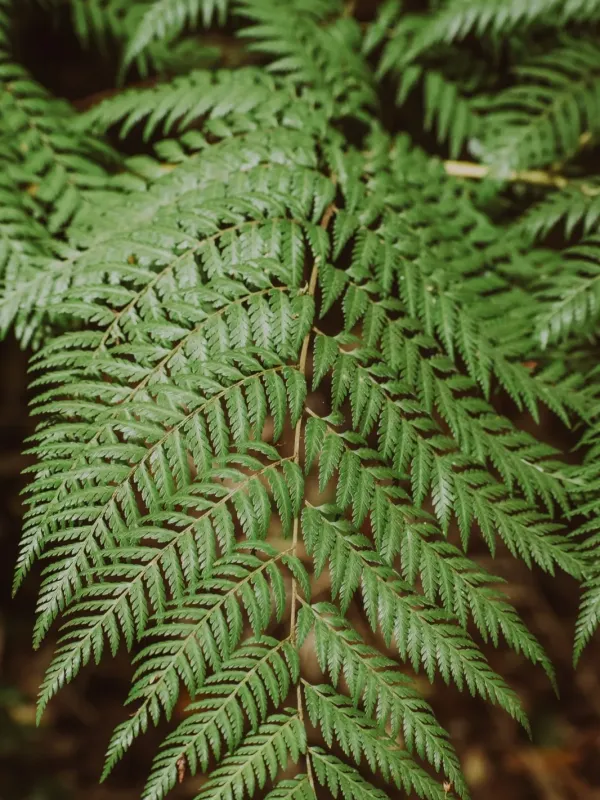
Description
Growing requirements
Lophosoria quadripinnata is a notable species of tree fern belonging to the Dicksoniaceae family. It is characterized by its significant size and beautiful, intricate foliage that is divided into four orders of leaflets, which gives the plant its distinctive botanical name.
Native to the Americas, this fern naturally inhabits cool, moist forest environments ranging from Mexico in the north to the temperate zones of Chile and Argentina in the south. It flourishes in high-altitude regions where cloud cover provides consistent humidity.
Cultivation requires conditions that mimic its natural habitat. It thrives in shaded environments, sheltered from harsh sunlight and drying winds. High humidity is a primary necessity, and the plant should be misted regularly if grown in a controlled indoor setting.
The ideal soil substrate for Lophosoria should be rich in organic matter, slightly acidic, and exceptionally well-drained. Over-compaction of the soil can lead to root suffocation, so incorporating materials like coarse bark or perlite into the mix is highly recommended.
This fern is predominantly used in landscaping and ornamental horticulture. Because of its structural beauty and ability to act as a dramatic focal point, it is highly sought after by collectors and botanic gardens located in appropriate climate zones.
Main diseases and pests
The most common health issues for this species are related to fungal pathogens caused by waterlogged soil. Proper drainage is essential to prevent root and rhizome rot, which can be fatal to the fern if not addressed early.
Pests such as mealybugs, scale insects, and spider mites can infest the foliage, particularly if the plant is under stress from low humidity. Maintaining good hygiene and monitoring the underside of the fronds are effective strategies for long-term pest management.