
Common ground fern
Calochlaena dubia
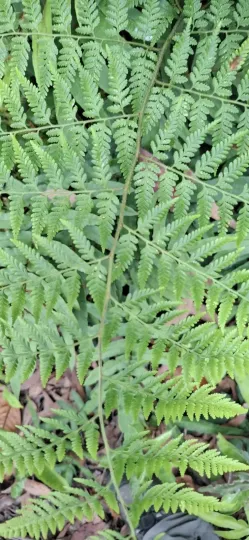
Description
Growing requirements
Calochlaena dubia is a perennial rhizomatous fern belonging to the Dennstaedtiaceae family. In its natural habitat, this species is found primarily in the eastern regions of Australia.
This crop prefers moist forest biotopes, where it grows in shaded or diffused light conditions. The plant has high adaptability to various soil types, but thrives best in light, well-drained substrates rich in organic matter.
For successful cultivation, it is essential to maintain consistently high humidity and regular watering. The plant does not tolerate waterlogging, so an effective drainage layer is critical when grown in containers or open ground.
The optimal temperature range for active growth is between 18 and 25 degrees Celsius. Calochlaena is sensitive to severe frost, so in temperate climates, it is typically grown as a greenhouse or indoor plant.
Agricultural management includes mulching the root system to retain moisture and applying balanced liquid fertilizers during the active growing season. The plant tends to spread rapidly via creeping rhizomes, which should be considered when planning planting schemes.
Main diseases and pests
The primary threats to Calochlaena health are fungal infections, which occur due to poor air circulation and over-watering. These conditions can lead to root rot and the development of leaf spot disease.
Regarding pests, the greatest dangers are spider mites and scale insects, which proliferate in low-humidity indoor environments. Regular misting of the fronds helps reduce the risk of such infestations.
In case of pest outbreaks, the use of specialized insecticides and acaricides is recommended. Preventive measures involve regular inspection of the underside of the fronds and maintaining a clean growing area.
Mechanical damage to the fronds can allow pathogens to enter, so it is necessary to use only sterilized tools during maintenance. Prompt removal of old, dry fronds helps improve canopy ventilation.
Monitoring the quality of irrigation water is vital, as excessive hardness salts negatively affect the condition of young shoots and the overall development of the root system.