
Dichapetalum
Dichapetalum
The genus Dichapetalum belongs to the family Dichapetalaceae and includes a wide variety of tropical woody plants. These species typically grow as shrubs, climbing lianas, or small trees within tropical forest ecosystems worldwide.
What the section contains


Dichapetalum
These plants thrive in tropical climates characterized by high rainfall and humidity. They are well-adapted to the understory environment, showing significant shade tolerance in their natural habitats across Africa, Asia, and the Neotropics.
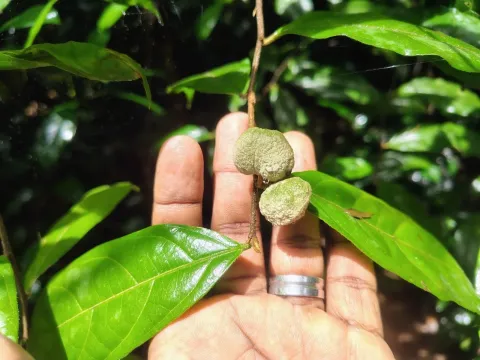
Botanically, Dichapetalum species are distinguished by their alternate, simple leaves and small, often white or yellowish flowers. The fruit is typically a drupe, which is sometimes covered with fine hairs, containing a single seed or multiple seeds depending on the species.
Soil requirements for the genus include nutrient-rich substrates with good drainage properties. They are highly sensitive to frost and require a consistent year-round tropical temperature regime to sustain their physiological processes.
While some research explores their chemical potential, the genus is primarily recognized for its toxicity rather than agricultural utility. Cultivation is generally discouraged in areas where livestock grazing is practiced due to the inherent dangers posed by the plant.
The primary concern regarding Dichapetalum in an agricultural context is its extreme toxicity to cattle and other ruminants. Many species contain monofluoroacetate, a lethal substance that disrupts the metabolic cycles of animals even in small doses.
These plants possess robust chemical defenses, making them largely resistant to typical herbivores and common agricultural pests. Their secondary metabolites effectively deter many insects that would otherwise consume their foliage.
Disease pressure on Dichapetalum is generally low due to its complex chemical composition. However, in regions with excessive moisture, specific fungal infections may occasionally impact the foliage, though these rarely jeopardize the plant's overall survival.
Effective management strategies for controlling Dichapetalum involve physical eradication of the root systems, especially in areas utilized for grazing livestock. This prevents the unintentional ingestion of toxic leaves by animals.
Herbicide applications must be conducted with extreme caution. Because the plant's toxicity persists long after it is harvested or killed, proper disposal of all plant matter is necessary to ensure the safety of the agricultural environment.