
Dichapetalum angolense
Dichapetalum angolense
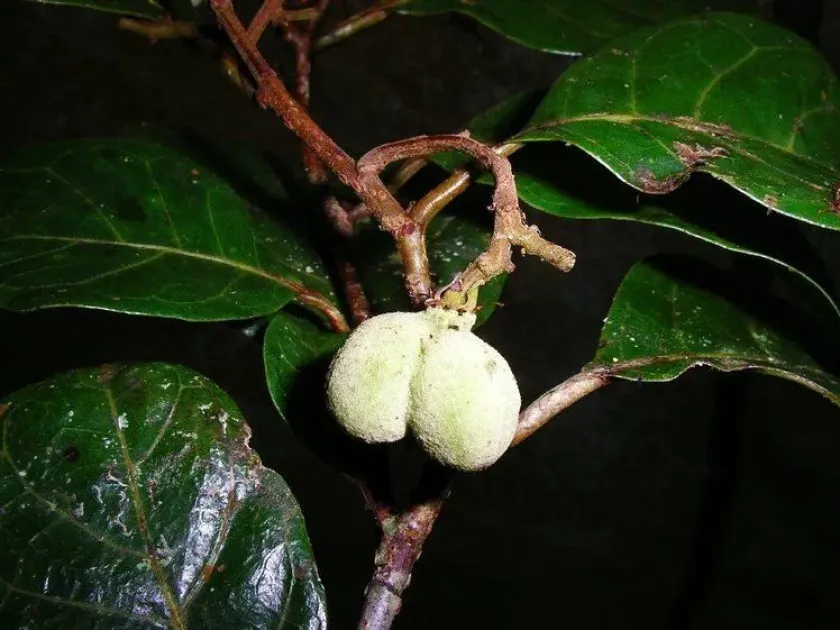
Description
Growing requirements
Dichapetalum angolense is a tropical plant belonging to the Dichapetalaceae family. It is native to the tropical regions of Africa, where it thrives in humid forest ecosystems. The plant is valued for its unique botanical profile and chemical composition.
Climatic requirements for successful cultivation include a consistently high temperature and substantial annual rainfall. The species is sensitive to sudden drops in temperature and prolonged drought, which can significantly inhibit its growth and development.
The soil should be nutrient-rich, well-drained, and possess a slightly acidic to neutral pH level. Effective cultivation requires maintaining adequate soil moisture through organic mulching, which helps mimic the natural forest floor conditions.
Agricultural management involves careful spacing and monitoring to ensure each plant receives enough light without direct, scorching exposure. Regular soil enrichment with organic matter supports the plant's structural development and metabolic processes.
In terms of хозяйственное использование, the plant is primarily studied for its secondary metabolites. Research into these compounds aims to identify potential applications in natural pesticide development and pharmaceutical research within tropical agriculture sectors.
Main diseases and pests
Fungal pathogens represent the most significant threat to Dichapetalum angolense, particularly in areas with high ambient humidity. These pathogens primarily target leaf tissues, potentially disrupting essential physiological processes like photosynthesis.
Insect pests such as beetles and lepidopteran larvae frequently attack young shoots and foliage. These infestations can cause significant defoliation if left untreated, necessitating proactive pest management strategies.
Root rot, driven by stagnant water and poor soil aeration, is a major abiotic threat to the plant's health. Maintaining proper drainage systems in plantations is crucial for preventing the onset of these destructive soil-borne conditions.
Integrated Pest Management (IPM) is the recommended approach for managing threats in this crop. This involves a mix of biological control agents and mechanical interventions to ensure the sustainability of the agricultural operation.
Continuous monitoring of plantation health is essential to identify disease outbreaks at their inception. By managing the microclimate and ensuring proper nutrient levels, growers can significantly bolster the natural resistance of the plants.