
Tapura
Tapura
Tapura is a genus of evergreen trees and shrubs belonging to the family Dichapetalaceae. These plants are native to the tropical regions of Africa and the Americas, where they inhabit dense, humid forest environments characterized by stable temperatures and consistent rainfall throughout the year.
What the section contains

Tapura
From an ecological perspective, species within this genus require well-drained, nutrient-rich soils that support stable growth in the understory of primary forests. They are highly adapted to low light intensity, which is typical for the forest floor, and rely on the surrounding canopy for protection against direct sunlight.
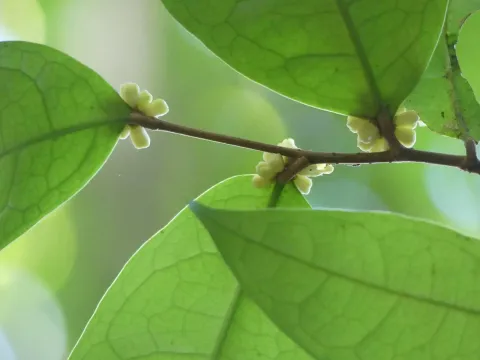
Botanically, Tapura is distinguished by simple, alternate leaves and small flowers that are frequently borne directly on the branches or leaf petioles. The root system is relatively shallow but extensive, allowing the plant to absorb moisture and nutrients from the upper soil horizons rich in decaying organic matter.
While not a major commercial crop, Tapura holds significance in botanical research and forest conservation efforts. Its role in the ecosystem is tied to the maintenance of biodiversity in tropical zones, where it serves as a host plant for various insects and supports complex forest food webs.
Cultivation of these species requires a controlled environment that mimics a tropical rainforest. Essential factors include maintaining a temperature range of 22°C to 30°C and ensuring consistent humidity levels, as the plants are sensitive to both cold stress and prolonged periods of drought that characterize arid climates.