
Dichapetalum gelonioides
Dichapetalum gelonioides
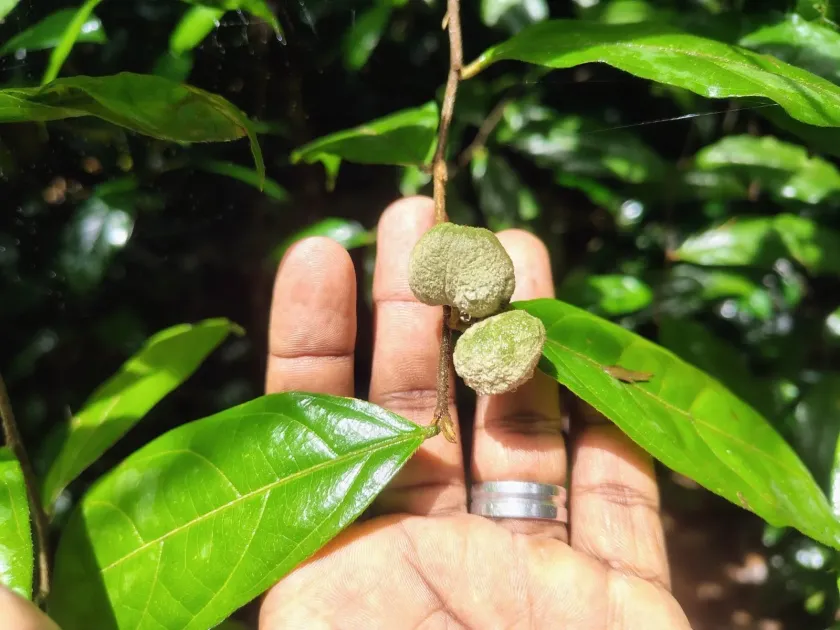
Description
Growing requirements
Dichapetalum gelonioides is an evergreen plant species belonging to the Dichapetalaceae family. Native to the tropical regions of Southeast Asia and parts of India and Sri Lanka, it typically grows as a dense shrub or a small tree within forest environments.
The cultivation of this species requires a stable tropical climate characterized by consistently high temperatures and significant air humidity. It thrives best in environments that mimic the natural forest understory, requiring partial shade for optimal development.
Soil requirements involve well-draining, nutrient-rich substrates that are high in organic matter. While the plant is adapted to tropical soils, it is essential to ensure that water does not accumulate around the roots to prevent potential physiological stress.
Agrotechnical practices focus on maintaining soil fertility through regular organic amendments and ensuring adequate spacing between plants to facilitate air movement. These practices help in developing healthy foliage and robust stem growth.
The economic value of this plant is primarily rooted in its biochemical properties, which have historically been utilized in local medicinal practices. Ongoing research continues to evaluate the potential of its extracts for various applications in pharmacology.
Main diseases and pests
Fungal infections, particularly leaf spots and powdery mildew, represent the most common threat to the health of the plants in high-humidity environments. Proper spacing and airflow are the best preventive measures to manage these risks effectively.
Pests such as scale insects and spider mites are frequent invaders that target young, succulent growth. Monitoring for these pests and implementing early interventions are necessary to ensure the plant's sustained vigor and production quality.
Root rot, induced by waterlogged soil conditions, is a critical issue that can lead to rapid plant decline. Maintaining a strict irrigation schedule and ensuring the planting medium is porous is vital for longevity.
Bacterial pathogens may exploit pruning wounds or physical damages to the bark, leading to local necrosis or limb loss. Sanitizing all garden tools used for maintenance is a crucial part of standard phytosanitary procedures.
Environmental stress, such as extreme heat spikes or prolonged dry periods, can compromise the plant's natural immune system. Ensuring consistent environmental conditions is key to minimizing the impact of potential disease outbreaks.