
White-topped sedge
Rhynchospora colorata (L.) H. Pfeiff.
Description
Growing requirements
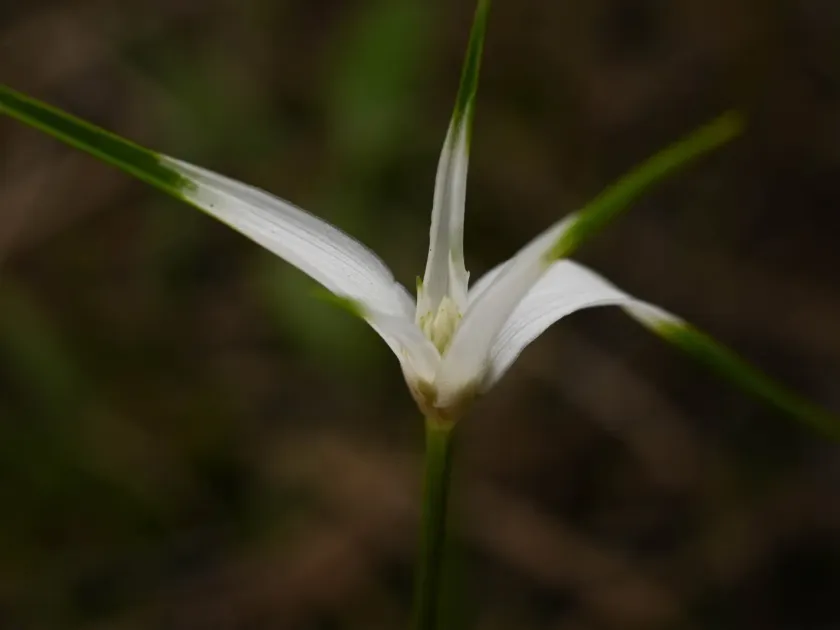
White-topped sedge (Rhynchospora colorata) is a perennial member of the Cyperaceae family, native to the southeastern United States. It is widely recognized for its unique white, petal-like bracts that emerge beneath its small flower clusters.
This plant is naturally adapted to moist environments, including wet meadows, ditches, and coastal marshes. In cultivation, it requires consistently moist soil conditions to thrive and maintain its aesthetic appeal throughout the season.
Full sun is the preferred light requirement for this species. Adequate sunlight ensures the development of the characteristic white coloration of the bracts, which is the primary reason for its popularity in landscape design.
The ideal growing medium should be rich in organic matter and capable of retaining water without becoming stagnant. While it adapts well to various soil types, it performs best in neutral to slightly acidic soil conditions.
White-topped sedge is sensitive to extreme cold and is typically treated as a tender perennial. In colder climates, growers often cultivate it in pots that can be moved indoors or protected during freezing temperatures.
Main diseases and pests
The primary threat to the vitality of the plant is dehydration. Because it is a hydrophytic species, any period of dry soil will lead to rapid wilting and potential damage to the crown of the plant.
Stagnant water combined with poor ventilation can encourage root rot or fungal outbreaks. Ensuring that the soil remains moist but not excessively waterlogged is key to long-term plant health.
In indoor environments, spider mites can become an issue if the ambient humidity is too low. Increasing humidity through regular misting is an effective, non-chemical way to manage these potential pests.
Weed competition can quickly overwhelm young plants during the establishment phase. Mulching with organic material or manual weeding is recommended to keep the area around the base clean and free of invaders.
The plant generally possesses good natural resistance to most major agricultural pathogens, provided it is grown in conditions that mimic its native wetland habitat and is not subjected to significant stress.