
Distant sedge
Carex distans
Description
Growing requirements
Distant sedge (Carex distans) is a perennial herbaceous plant belonging to the Cyperaceae family. Distributed across Europe, parts of Asia, and North Africa, it is typically found in damp meadows, marshes, and habitats with saline or alkaline soil conditions, showcasing remarkable environmental plasticity.
From an agronomic perspective, this species thrives in environments with stable soil moisture levels. While it demonstrates strong resilience to periodic waterlogging, it requires sufficient sunlight to ensure optimal photosynthesis and biomass production. It is highly valued for its ability to colonize marginal lands.
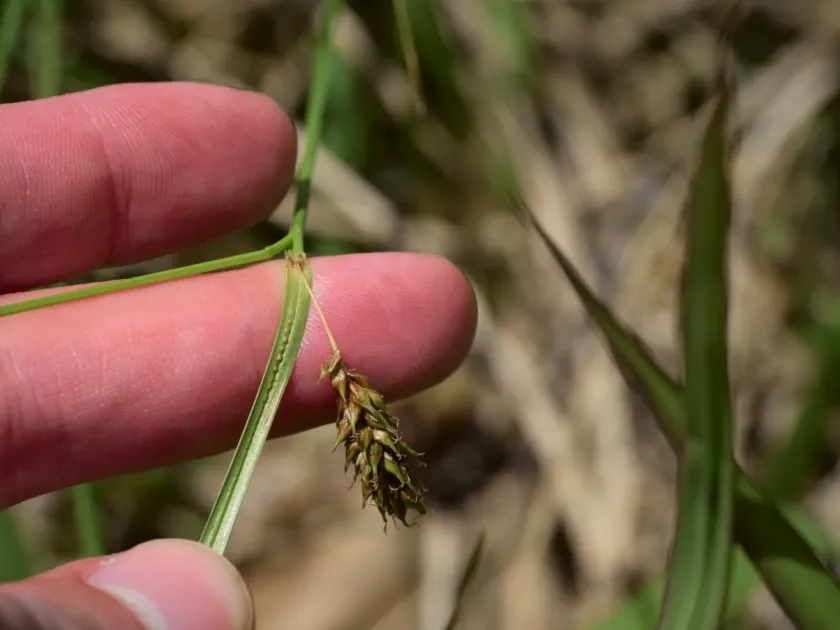
Botanically, it forms loose tufts with slender, upright stems reaching up to 50 cm. The leaves are narrow and dark green, while the inflorescences are characterized by distinctly spaced spikelets, which differentiate it from other related species within the Carex genus.
The plant requires soils with adequate mineral content for robust growth. Although it is tolerant of poor, saline, or degraded substrates, supplemental fertilization in cultivation settings can significantly improve the quality and volume of the harvest, making it a viable option for wetland pasture improvement.
Economically, Carex distans is used for soil stabilization, riparian zone protection, and as a supplement in natural forage systems. Its deep root system helps prevent soil erosion in humid areas, and its ability to withstand variable climate conditions makes it a reliable perennial plant for managed grasslands.
Main diseases and pests
The primary threats to Distant sedge cultivation include fungal infections, such as rust, which tend to proliferate in stagnant, high-humidity environments. These pathogens reduce the photosynthetic area of the leaves and can lead to a significant decline in overall crop health.
Pests such as aphids and various larvae can damage stems and reproductive parts, particularly during the flowering stage. Such infestations not only hamper vegetative growth but also severely limit seed set, affecting the long-term sustainability of a sown population.
Integrated pest management strategies are crucial, focusing on maintaining proper spacing between plants to ensure airflow and reduce humidity levels around the canopy. Regular monitoring of the foliage is essential to detect early signs of infestation or fungal activity.
Sanitary practices, including the removal of dead organic matter, help minimize the buildup of overwintering pathogens. By keeping the growth area clean and maintaining balanced soil fertility, the resilience of the sedge population to common diseases is substantially increased.
In cases of severe outbreaks, selective mechanical harvesting can act as a control mechanism to remove infected biomass. A well-managed agronomic approach, focusing on site selection and moisture control, is the best strategy for maintaining a productive and healthy stand of Carex distans.