
Carpha glomerata
Carpha glomerata
Description
Growing requirements
Carpha glomerata is a perennial herb belonging to the Cyperaceae family, commonly known as the sedge family. This plant is well-adapted to specialized ecological niches, particularly high-altitude wetlands and moist alpine environments.
The native range of this species is primarily located in the Southern Hemisphere, encompassing parts of South Africa and remote islands where high humidity and specific soil acidity are present. It thrives in locations where water saturation is consistent throughout the year.
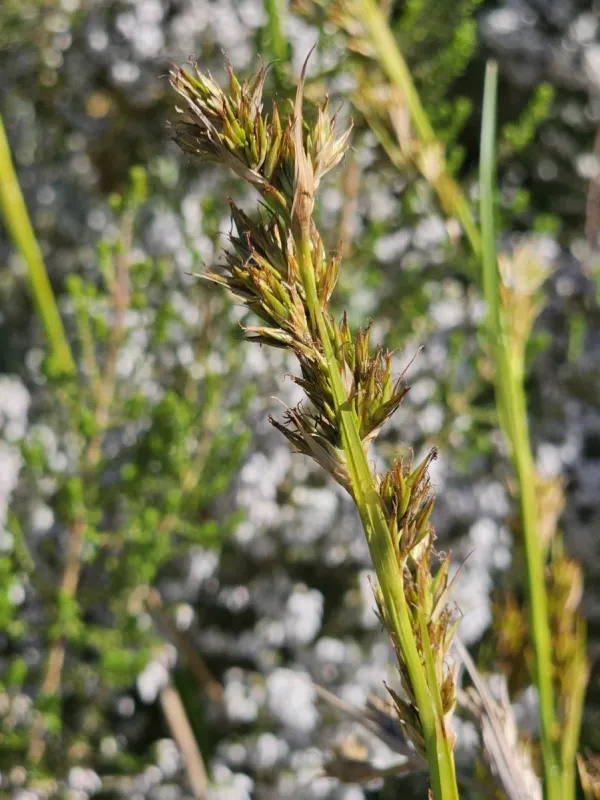
From a botanical standpoint, the plant is characterized by its tufted growth habit, featuring narrow leaves that emerge from a basal rosette. This morphology allows the plant to withstand harsh, windy conditions while maintaining structural integrity in waterlogged substrates.
The inflorescence consists of dense, clustered spikelets, which gives the plant its name. These structures are adapted to wind pollination, a common trait among sedges that inhabit open and exposed landscapes.
In terms of ecological importance, this species plays a vital role in wetland stabilization and organic matter sequestration. Its robust root system helps secure the soil, making it a critical component of the local ecosystem's resilience against environmental stress.