
Buenos Aires sedge
Carex bonariensis
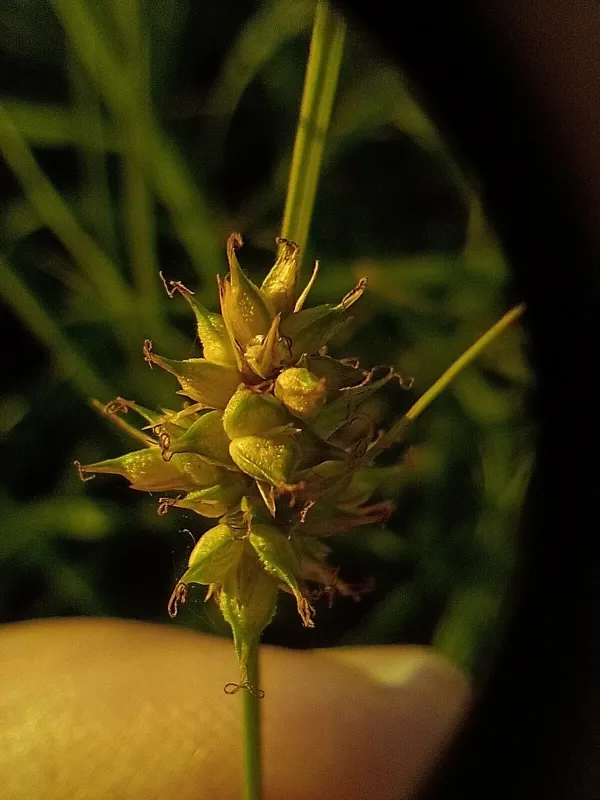
Description
Growing requirements
Buenos Aires sedge (Carex bonariensis) belongs to the Cyperaceae family and is recognized as a hardy, perennial grass widely used for its aesthetic appeal in landscape design.
Originating from South America, specifically the region of Buenos Aires, this species thrives in environments that offer moderate temperatures and reliable moisture levels.
Cultivation requires well-drained, fertile soil that maintains consistent moisture without becoming waterlogged, as the roots are sensitive to prolonged anaerobic conditions.
Botanically, the plant is identified by its narrow, arching foliage that forms dense, attractive tussocks, providing texture and year-round visual interest in the garden.
Beyond its ornamental value, the plant is valued for its ability to stabilize soil and its relatively low maintenance profile once established in an appropriate site.
Main diseases and pests
This species generally displays strong resilience to common plant diseases, although poor drainage remains the primary cause of root-related decay in nursery conditions.
In hot and dry environmental conditions, the plant may become susceptible to infestations of aphids or spider mites, which can damage the leaf blades.
Maintaining proper spacing between individual plants is critical to ensure good airflow, which significantly reduces the risk of fungal leaf spots or blights.
Routine maintenance should include the removal of dead or senescing foliage during the dormant season to eliminate potential shelters for pests and pathogens.
Integrated pest management, focusing on cultural practices rather than chemicals, is usually sufficient to manage any threats to the health of this ornamental grass.