
White bryony
Bryonia alba L.
Description
Sowing dates
The sowing of white bryony (Bryonia alba L.) is best performed in late autumn or early spring. Seeds require a mandatory stratification period, consisting of moist chilling at temperatures between 2 and 5 degrees Celsius for 30 to 60 days to break dormancy.
Sowing should be done in rows with a spacing of 60 to 70 cm. Seeds are planted at a depth of 2–3 cm, which is sufficient for germination in favorable soil conditions. Consistency in spacing is vital for mechanical maintenance.
Seedlings typically emerge 3–4 weeks after planting, provided the soil moisture is sufficient. Growers should ensure that the surface does not crust over, as this can prevent the delicate shoots from breaking through to the surface.
Spring plantings require careful weed management during the early stages of growth, as the young plants are slow to establish themselves. Regular weeding is necessary to prevent competition for nutrients and space.
As the plant develops, it requires trellis support or vertical structures. Being a climbing vine, it produces vigorous stems that need proper guidance to ensure healthy development and prevent entanglement.
Growing requirements
White bryony belongs to the Cucurbitaceae family. It is a perennial herbaceous plant known for its large, fleshy taproot, which serves as a reservoir for nutrients and medicinal compounds.
The plant thrives in fertile, well-drained soils, preferably sandy loams or loams with a neutral pH. Waterlogging must be strictly avoided, as the root system is highly susceptible to decay in stagnant water conditions.
This crop is heliophilic, requiring abundant sunlight for optimal development. Proper sun exposure is essential for the accumulation of active ingredients, such as bryonin and specific alkaloids, within the roots.
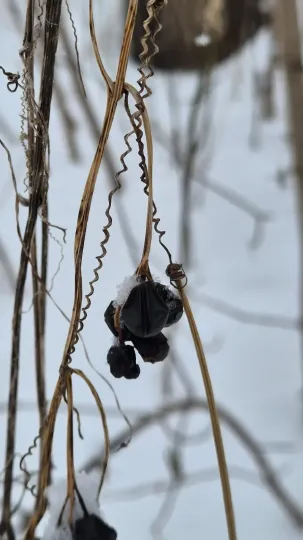
It exhibits excellent winter hardiness. During the winter, the aerial parts of the plant die back naturally, and the deep-seated root remains dormant underground until the following growing season.
Regular fertilization with balanced nutrients helps in maximizing the root mass. While drought-tolerant once established, moderate irrigation during dry summer periods can significantly boost the overall yield.
Main diseases and pests
The main pests affecting white bryony include spider mites and aphids. These insects attack the leaves, causing wilting and loss of vitality, which ultimately reduces the starch and compound accumulation in the roots.
Powdery mildew is the most common fungal disease, manifesting as a white, powdery coating on the foliage, especially in humid conditions with poor airflow. It can spread quickly if left untreated.
Integrated pest management, including crop rotation every five years, is essential. This breaks the lifecycle of soil-borne pathogens and helps maintain a healthy growing environment for the plant.
Rodents, particularly voles, pose a serious threat to the fleshy roots during the autumn and winter months. Protective measures or perimeter fencing may be necessary in high-risk areas.
Diseases are best managed through proactive monitoring and the use of targeted biological fungicides. Keeping the plantation clear of debris reduces the habitat for many common pests and pathogen vectors.
Harvesting
Harvesting usually occurs in the 3rd or 4th year of growth. By this stage, the root has achieved the desired size and density, containing the peak concentration of medicinal compounds required for industry.
The harvest takes place in late autumn after the stems have withered. The roots are excavated carefully, avoiding mechanical damage, which is crucial for maintaining the quality of the raw material.
Once harvested, the roots are washed thoroughly to remove soil and debris. They are then sliced longitudinally and dried in controlled environments at temperatures not exceeding 50 degrees Celsius.
Storage of the final product requires cool, dry, and well-ventilated conditions. Exposure to moisture must be avoided, as the dried roots are prone to reabsorbing humidity, which leads to mold growth.
With correct agricultural practices, white bryony serves as a sustainable source of medicinal raw materials, widely used in homeopathy and pharmacological preparations across the globe.