
Abobra
Abobra
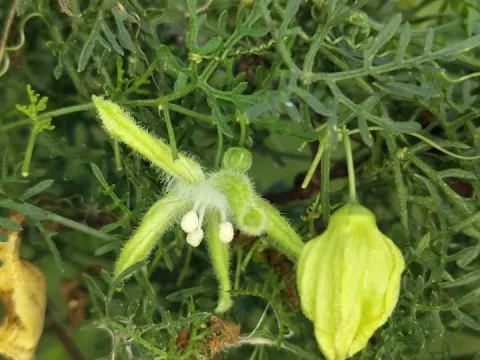
Abobra (Abobra tenuifolia) is a perennial vining plant belonging to the Cucurbitaceae family, typically grown as an annual in temperate climates. Seeds should be sown when the danger of frost has completely passed and soil temperatures have warmed up.
What the section contains

Abobra
Starting seeds indoors 4-6 weeks before the last frost date is highly recommended for shorter growing seasons. This method ensures that the young plants are well-established before they are moved outside.
The seeds should be planted about 2 cm deep in a nutrient-rich, well-draining potting mix. Maintaining consistent moisture and warmth is crucial for successful germination.
When transplanting into the garden, ensure the soil is loose and friable. Space the plants adequately, as they can grow quite vigorously under optimal conditions.
Hardening off the seedlings is a critical step in the transition process, allowing them to adapt to outdoor light and wind conditions over several days.
This plant thrives in full sun, requiring at least 6 to 8 hours of direct light daily. A location with good air circulation is essential to prevent moisture buildup around the foliage.
Abobra prefers light, fertile soil that drains well. It is sensitive to waterlogged conditions, which can quickly lead to root rot if the soil remains excessively wet.
Regular watering is necessary during dry spells, especially during the peak summer months. However, always aim to water at the base of the plant to keep the leaves dry.
As a climbing vine, Abobra necessitates sturdy support structures such as trellises, fences, or wires. This vertical growth not only saves space but also enhances the plant's health.
Fertilizing with a balanced, water-soluble fertilizer during the peak growing season will support the development of its delicate foliage and potential fruit production.
Common pests include spider mites and aphids, which are often attracted to the succulent growth of the vine. Regular monitoring of the leaf undersides is recommended.
Powdery mildew is a frequent fungal issue, particularly when humidity levels are high and air circulation is restricted. Pruning back dense areas can help mitigate this.
Root rot can occur in soil with poor drainage, especially if the climate is cool and wet for prolonged periods. Ensuring the soil is light and airy is the best prevention.
If an infestation occurs, horticultural soaps or neem oil can be used as effective treatments. Always follow label instructions to protect pollinators that visit the flowers.
Cultural control measures, such as removing debris and practicing proper garden sanitation, are vital to keeping the plant disease-free throughout the season.