
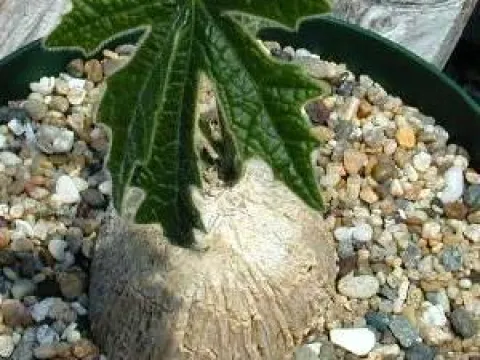
Ampelosicyos
Ampelosicyos
Ampelosicyos is a genus of climbing plants belonging to the Cucurbitaceae family. Originating from the tropical regions of Madagascar and Africa, these plants are adapted to environments with high humidity and temperatures that remain relatively stable throughout the year.
What the section contains

Ampelosicyos
The botanical structure of the plant is that of a vigorous vine, characterized by tendrils that allow it to climb vertically in search of sunlight. This structural adaptation is essential for its survival in dense forest habitats where competition for light is intense.
Propagation is primarily achieved through seeds. Sowing should be done in a well-draining, nutrient-rich soil mix, ensuring that the seeds are planted at a depth consistent with their size to encourage successful germination.
For optimal results, the germination phase requires a consistent temperature of around 25 to 28 degrees Celsius. Any significant drop in temperature during this critical early stage can lead to poor establishment or seedling failure.
Once seedlings have developed several true leaves, they should be transitioned to larger pots or greenhouse beds. Given the aggressive growth habit of this genus, adequate vertical space and sturdy support structures are absolutely mandatory.
The environmental requirements for Ampelosicyos are strict. As a tropical plant, it cannot survive frost or prolonged exposure to temperatures below 15 degrees Celsius. In non-tropical regions, it must be grown in controlled greenhouse environments.
The soil profile should be light and aerated. A mixture incorporating peat, perlite, and organic compost is recommended to ensure both moisture retention and proper aeration, which are essential for the health of the root system.
Watering practices must be consistent. The soil should be kept moist but never waterlogged, as stagnant water is a primary cause of root rot, a common fatal issue among many members of the Cucurbitaceae family in captivity.
Lighting should be bright but filtered to protect the leaves from excessive heat. Greenhouse growers often use shading materials during peak summer hours to maintain an ideal light intensity for the plant's photosynthetic processes.
Fertilization should be balanced throughout the growing season. Nitrogen-rich feeds are suitable during the initial vegetative stage, while a shift toward higher potassium levels is beneficial during the flower and fruit development stages.
Spider mites are the most common pests encountered when cultivating Ampelosicyos. These small arachnids thrive in low-humidity environments, making it vital to monitor the air moisture levels and spray the foliage when necessary.
Aphids and whiteflies also present a potential threat by colonizing the underside of the leaves. Regular inspection of the plant's canopy is necessary to catch infestations before they spread across the entire vine structure.
Fungal pathogens such as powdery mildew are frequent issues if the greenhouse environment lacks sufficient airflow. Maintaining adequate spacing between plants and utilizing circulation fans are key preventative strategies.
Root rot, driven by overwatering or compacted soil, remains a constant danger. If root health is compromised, it often results in wilting leaves and stunted growth, which can be difficult to reverse once fully established.
Biological controls, such as beneficial insects, are highly effective in managing pest populations in enclosed environments like greenhouses, offering a sustainable alternative to chemical pesticide application.