
Costus woodsonii
Costus woodsonii
Description
Growing requirements
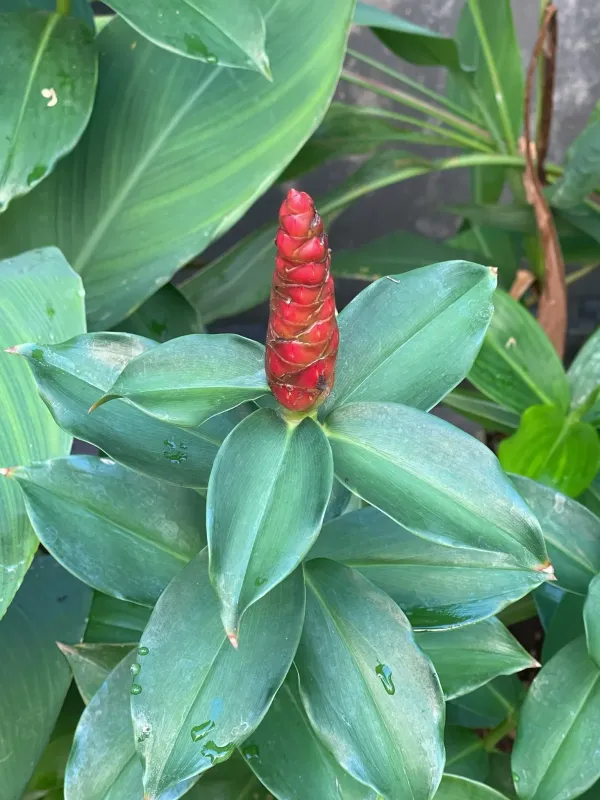
Costus woodsonii is an herbaceous perennial plant belonging to the Costaceae family. Native to the tropical regions of Central and South America, it is widely recognized for its vibrant, cone-shaped inflorescences.
The crop thrives in tropical climates with temperatures ranging from 20°C to 30°C. It is strictly intolerant to frost, necessitating cultivation in greenhouses or climate-controlled environments in non-tropical regions.
Soil requirements include a high-quality, well-draining substrate rich in organic matter. The optimal pH levels should range between 5.5 and 6.5 to ensure efficient nutrient uptake for the plant's growth.
Consistent high humidity is essential for the healthy development of Costus woodsonii. In greenhouse settings, automated misting systems are often employed to maintain humidity levels above 70 percent.
Bright, indirect light is required for optimal flowering. While the plant can tolerate partial shade, insufficient light will result in leggy growth and a significant reduction in the quality and size of the blooms.
Main diseases and pests
Common greenhouse pests affecting this culture include spider mites, mealybugs, and aphids. These insects tend to congregate on the undersides of leaves, causing structural damage and hindering photosynthesis.
Root rot caused by overwatering is a primary threat in nursery environments. Ensuring that the planting media does not remain waterlogged is critical for preventing the decay of the rhizomatous root system.
Fungal leaf spot diseases can become prevalent if air circulation is inadequate. Proper spacing between individual plants is necessary to promote airflow and reduce the humidity trapped in the canopy.
Integrated pest management (IPM) strategies, including the use of biological control agents and targeted applications of pesticides, are standard in commercial production to manage outbreaks effectively.
Routine sanitation of the growing area and the removal of dead or decaying plant material are crucial steps in preventing the spread of soil-borne pathogens and maintaining crop vigor.