
Tapeinochilos ananassae
Tapeinochilos ananassae
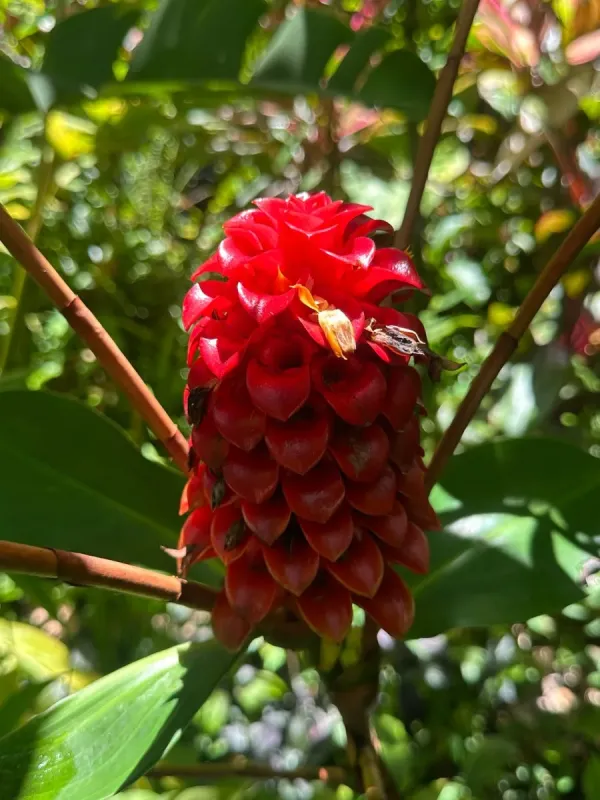
Description
Growing requirements
Tapeinochilos ananassae, commonly known as wax ginger, is a member of the Zingiberaceae family. This perennial herb originates from the tropical rainforests of Indonesia, New Guinea, and Australia.
The plant requires high humidity and warm temperatures for optimal growth. It thrives in partial shade or filtered light conditions, as direct sunlight can damage its lush foliage and vibrant inflorescences.
Soil requirements include a rich, organic-based substrate that is well-draining. Acidic to neutral pH levels are preferred, and the root system must be protected from waterlogging to prevent decay.
The ideal temperature range is between 20°C and 28°C. As a tropical species, it does not tolerate frost or prolonged exposure to temperatures below 15°C, which can cause significant physiological stress.
Agrotechnical practices involve regular fertilization with balanced NPK nutrients during the active growing season. Maintaining consistent soil moisture is critical for the development of healthy stalks.
Main diseases and pests
Common pests include spider mites and mealybugs, which are particularly troublesome in low-humidity environments. Integrated pest management strategies are advised to keep populations in check.
Fungal pathogens causing root rot are a major threat if soil drainage is insufficient. Ensuring proper pot aeration and careful watering practices are essential for preventing these issues.
Leaf spot diseases can occur if foliage remains wet for extended periods without adequate air circulation. Fungicides should be applied preventively or at the first sign of infection.
Regular sanitation of the growing area, including the removal of debris, reduces the presence of fungal spores. This proactive approach significantly lowers the need for chemical interventions.
Monitoring for signs of nutrient deficiency or stress is part of daily agronomic routines. Healthy, well-fed plants exhibit higher natural resistance to both insects and common pathogens.
Harvesting
Tapeinochilos ananassae is primarily cultivated for the cut flower industry due to its striking, pineapple-like bracts. These inflorescences are prized for their longevity and unique structural aesthetics.
Harvesting is performed when the bracts are fully developed and vibrant in color. It is recommended to use clean, sterilized shears to make precise cuts at the base of the flowering stem.
In tropical climates, this plant is used extensively in landscaping for its dramatic visual appeal. In cooler regions, it is produced in high-tech greenhouses as a premium ornamental pot or cut crop.
Post-harvest handling requires immediate hydration to maintain turgidity. Because of the waxy texture of the bracts, the stems demonstrate excellent shelf life when kept in cool, clean conditions.
Periodic maintenance involves thinning out older stems to promote new growth. This helps sustain production cycles and ensures that the plant remains vigorous throughout its productive life span.