
Costus villosissimus
Costus villosissimus
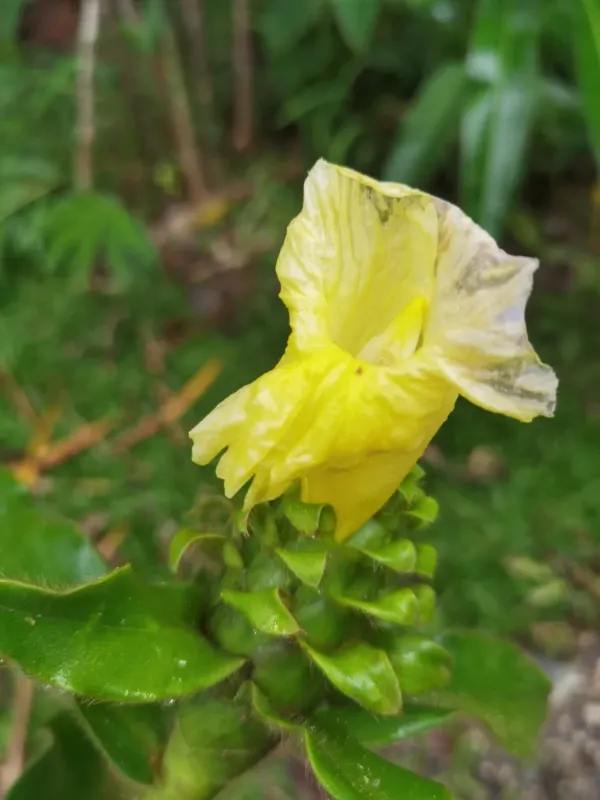
Description
Growing requirements
Costus villosissimus is a robust perennial herb belonging to the Costaceae family. It is native to the tropical regions of Central and South America, where it thrives in the humid understory of rainforests.
The plant requires a warm tropical climate to prosper. It performs best in temperatures ranging between 22 and 28 degrees Celsius throughout the year, as it is extremely sensitive to cold and frost.
For optimal growth, the soil must be rich in organic matter, well-draining, and slightly acidic. Proper soil structure ensures that roots receive enough oxygen while retaining the necessary moisture for vigorous growth.
Bright, indirect light is essential for this species. Intense direct sunlight can damage the foliage, causing brown spots and leaf curling, whereas deep shade will significantly slow down the development of the stalks.
High humidity is a critical environmental factor for this crop. In agricultural settings or greenhouses, it is often necessary to use misting systems or frequent watering to maintain ambient moisture levels.
Main diseases and pests
Fungal infections represent the primary threat to Costus villosissimus, especially in environments with poor air circulation or overwatered soil. These pathogens often attack the root system first.
Pests such as spider mites and mealybugs are common, particularly in indoor environments where the air is dry. They feed on plant sap, leading to stunted growth and yellowing of the leaves.
Integrated pest management, including the use of neem oil or targeted insecticides, is recommended for controlling infestations. Early detection is key to preventing the spread of insects across the entire planting area.
Sanitation practices play a vital role in disease prevention. Removing dead or decaying leaves prevents the buildup of mold and bacteria that could otherwise endanger the healthy stalks.
Ensuring that the spacing between plants is adequate is another important strategy to promote air movement and reduce the incidence of humidity-related leaf diseases.