
Disporum cantoniense
Disporum cantoniense (Lour.) Merr.
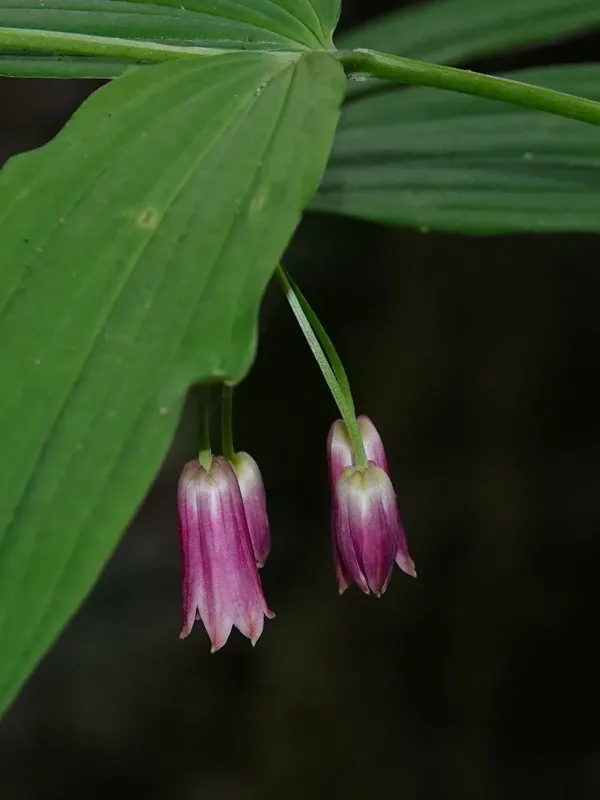
Description
Sowing dates
Propagation of Disporum cantoniense is primarily achieved through rhizome division or seed sowing. Division is the preferred method for gardeners as it ensures the preservation of specific traits and results in faster establishment.
If choosing to grow from seeds, keep in mind they require a cold stratification period of at least 2–3 months. This simulates winter conditions and is necessary to break the seed's innate dormancy before germination can occur.
Sow seeds in a well-draining, humus-rich medium at a depth of approximately 1 centimeter. Maintain consistent moisture levels throughout the germination process, which may be slow and irregular depending on environmental factors.
When dividing, ensure each segment of the rhizome contains multiple growth buds or "eyes." Plant these sections in early spring while the plant is still dormant to allow the root system to settle before the heat of summer.
As a member of the Colchicaceae family, this plant is known for its slow-growing habit during the initial phases, meaning it requires stable conditions and patience during its first season in the ground.
Growing requirements
Disporum cantoniense thrives in partial to full shade, mirroring the natural environment of Asian forest understories. It is highly sensitive to direct sunlight, which can scorch the foliage and hinder growth.
The ideal soil is loose, friable, and rich in organic matter. A slightly acidic to neutral pH is preferred. Excellent drainage is non-negotiable; while the plant enjoys moisture, standing water will inevitably lead to root rot.
Humidity is key for success. In gardens located in drier regions, supplemental watering and a thick layer of organic mulch around the base will help keep the soil consistently damp and cool.
The plant performs best in temperate climates with mild summers. Protection from harsh, drying winds is recommended, as these can damage the delicate, arching stems and leaves that give the plant its characteristic aesthetic.
Fertilization should be handled with caution. A light top-dressing of compost in early spring is usually sufficient to support healthy growth without over-stimulating the foliage at the expense of root development.
Main diseases and pests
Slugs and snails are the most common pests, particularly during the rainy spring season when new shoots are emerging. Using copper tape or eco-friendly slug baits is an effective way to protect young plants.
Poor soil aeration and excessive moisture increase the susceptibility to fungal pathogens, including root rot and leaf spot diseases. Ensuring the plant is not overcrowded helps maintain the airflow necessary to keep foliage dry.
Aphids may occasionally target the soft tissue of the growing tips. If infestations occur, a gentle spray with a soap-based insecticide is usually enough to control the population without harming the plant's health.
Routine inspections during the active growing season allow for the early detection of issues. Maintaining garden hygiene by removing dead leaves prevents the buildup of fungal spores near the base of the plant.
If the plant shows signs of chlorosis or yellowing, check the soil pH and drainage levels immediately. These symptoms are often indicators of nutrient lockout or waterlogged roots rather than insect attacks.
Harvesting
The primary use of Disporum cantoniense is in ornamental landscaping. It is highly valued for its elegant, arching stems and small, nodding bell-shaped flowers that bloom in the spring, creating a woodland aesthetic.
While some species of the genus have been utilized in traditional medicine, this requires specialized knowledge and proper identification. The roots are typically harvested in the autumn after the foliage has died back.
When harvesting for medicinal purposes, the rhizomes are cleaned, washed thoroughly, and dried in a well-ventilated, shaded area. Avoid high temperatures, as they can degrade the active compounds in the plant tissue.
In the landscape, the plant requires very little maintenance. Pruning should be limited to cutting back the old, withered stems to ground level in late autumn to keep the garden tidy and prevent pests from overwintering.
Due to its graceful form, it serves as an excellent companion to ferns, hostas, and other shade-loving perennials, contributing to a diverse and resilient garden ecosystem that lasts for many years.