
Rhizoclonium hieroglyphicum
Rhizoclonium hieroglyphicum
Description
Growing requirements
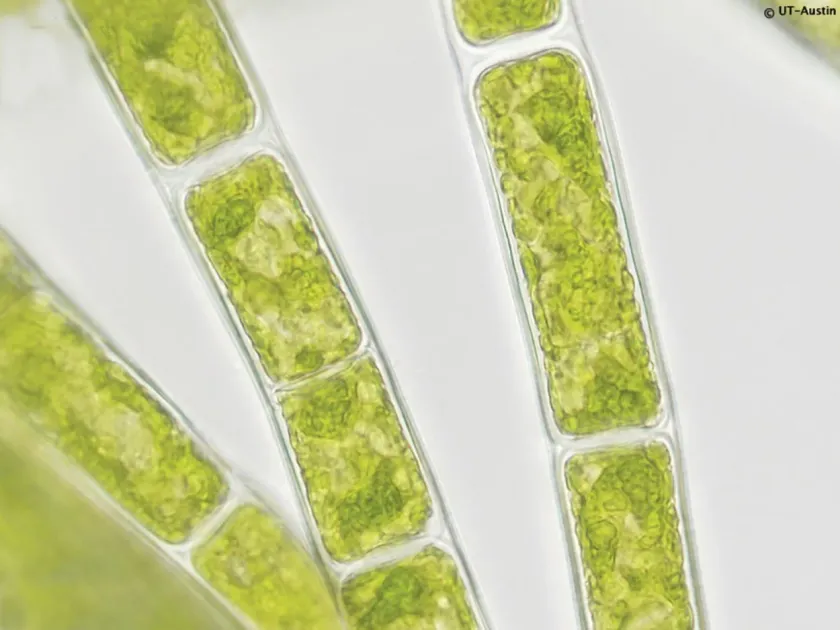
Rhizoclonium hieroglyphicum is a filamentous green alga belonging to the Cladophoraceae family. It is characterized by unbranched filaments that aggregate into soft, tangled, silk-like masses floating or attached to various submerged substrates.
The species has a global distribution, inhabiting fresh, brackish, and sometimes even saline waters. It thrives in stagnant or slow-moving environments such as ponds, ditches, and irrigation systems where nutrient availability is high.
Environmental requirements for this alga include high light intensity for optimal photosynthetic activity. It serves as a natural biofilter, effectively extracting phosphorus and nitrogen compounds from the water column.
Botanically, the alga is composed of cylindrical cells containing a parietal reticulate chloroplast. These cells are capable of rapid vegetative growth, allowing the colony to spread quickly under favorable temperature conditions, typically between 18°C and 28°C.
In terms of agricultural management, this species is often monitored in irrigation reservoirs as its excessive growth can physically block water flow and reduce the efficiency of irrigation distribution systems.
Main diseases and pests
The primary threat to Rhizoclonium hieroglyphicum populations is the introduction of chemical pollutants, particularly heavy metals, which interfere with the organism's metabolic processes.
Biological threats include grazing pressure from various freshwater invertebrates and tadpoles, which consume the filaments and can significantly reduce the biomass of the algae colonies.
Pathogenic infections caused by chytrid fungi can lead to the rapid deterioration of filaments, resulting in the fragmentation and death of the algal mats in affected areas.
Extreme variations in water salinity beyond the species' adaptive threshold can lead to cellular lysis and subsequent colony collapse within a matter of days.
Management of this alga often involves mechanical harvesting or the use of biological controls to prevent clogging of water delivery infrastructure in agricultural sectors.