
Reissantia indica
Reissantia indica
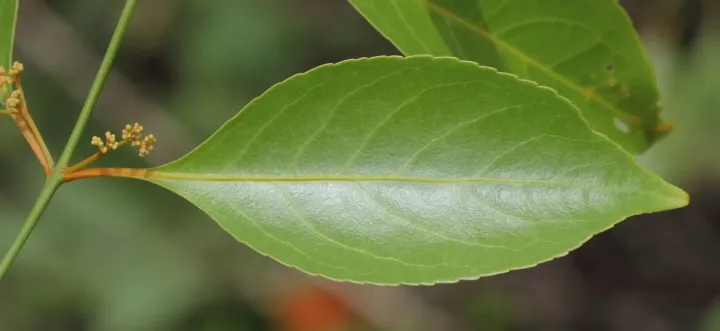
Description
Growing requirements
Reissantia indica is a woody climbing plant belonging to the Celastraceae family. Native to tropical regions, this plant is well-known for its ecological adaptability and traditional uses in various local medicinal practices within its natural distribution range.
The plant requires deep, well-drained soils to thrive. It performs best in soils rich in organic matter that allow for good root penetration while ensuring that water does not stagnate, as the species is sensitive to waterlogged conditions which may trigger root decay.
Climate requirements for Reissantia indica are strictly tropical. It demands high temperatures throughout the year and does not possess natural resistance to frost. Humidity levels should be consistently moderate to high to maintain the turgidity of its leaves and support vigorous growth.
Regarding light, this species prefers sunny locations with filtered sunlight available. While it can tolerate partial shade in its juvenile stage, adult specimens generally require significant light exposure to stimulate proper development and branch density.
Agronomic management practices involve regular soil enrichment using organic compost. Pruning is essential to manage the growth habit of the plant, especially in cultivation, as it allows for better air circulation and easier access to the plant's resources during the life cycle.
Main diseases and pests
Common threats to Reissantia indica include various fungal diseases that thrive in high humidity. Leaf spot diseases are particularly prevalent during rainy seasons, requiring prompt intervention with appropriate fungicides to prevent defoliation and weakening of the plant.
Insect pests, such as aphids and scale insects, are significant threats to the foliage. They tend to colonize the undersides of leaves and soft stems. Monitoring programs should focus on these areas to detect infestations early and avoid long-term damage to the crop.
Root-knot nematodes can also pose a serious threat to the vitality of the plant. These soil-borne pests damage the root system, reducing the plant's ability to absorb water and nutrients, which often leads to stunted growth and yellowing of the leaves.
Integrated pest management (IPM) is the recommended approach for this culture. By combining cultural practices, such as removing affected plant parts, with biological control agents, growers can maintain healthy stands without excessive chemical reliance.
Preventative maintenance includes keeping the area around the plants free of decaying organic matter, which can serve as a reservoir for spores and pest larvae. Ensuring adequate spacing between plants is another critical measure for preventing the spread of diseases.