
Gyminda latifolia
Gyminda latifolia
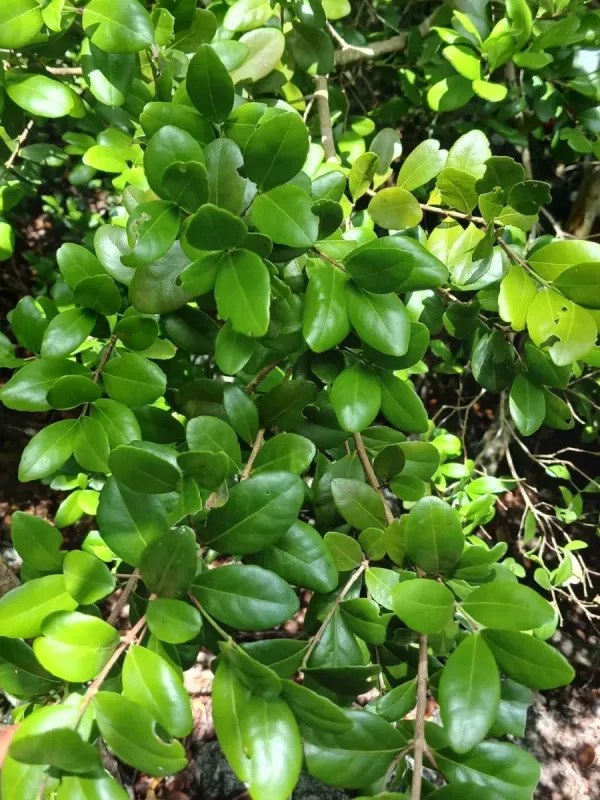
Description
Growing requirements
Gyminda latifolia, commonly referred to as false boxwood, is a slow-growing evergreen shrub or small tree belonging to the Celastraceae family. It is valued for its dense, glossy foliage and its ability to withstand challenging environmental conditions in tropical and subtropical regions.
The plant is native to the Caribbean, Mexico, and Florida. It is typically found in limestone-based soils and rocky habitats, which has conditioned it to thrive in well-drained, alkaline environments. Its natural habitat suggests a high adaptability to nutrient-poor soils.
For cultivation, Gyminda latifolia requires a sunny location to partial shade. While it is highly drought-tolerant once established, providing regular water during the initial growth phase helps in developing a strong root system. It is also notably resistant to salt spray.
In terms of agricultural maintenance, this species requires very little pruning to maintain its natural shape, though it responds well to shaping for formal hedges. Fertilization should be kept to a minimum, as excessive nutrients can lead to succulent growth that is susceptible to damage.
The primary use of Gyminda latifolia is in landscaping, where it serves as a robust hedge, windbreak, or foundation plant. Its structural integrity and evergreen nature make it an excellent choice for xeriscaping projects in warm climates.
Main diseases and pests
Root rot is the most common threat to this species, usually caused by stagnant water or compacted soil. Proper site selection and ensuring soil porosity are critical management practices to prevent fungal proliferation at the base of the plant.
Insect pests, specifically scale insects and spider mites, can affect the plant during prolonged dry spells. Implementing integrated pest management strategies, such as physical removal of pests or using horticultural oils, is highly recommended to maintain plant vitality.