
Euonymus oresbia
Euonymus oresbia
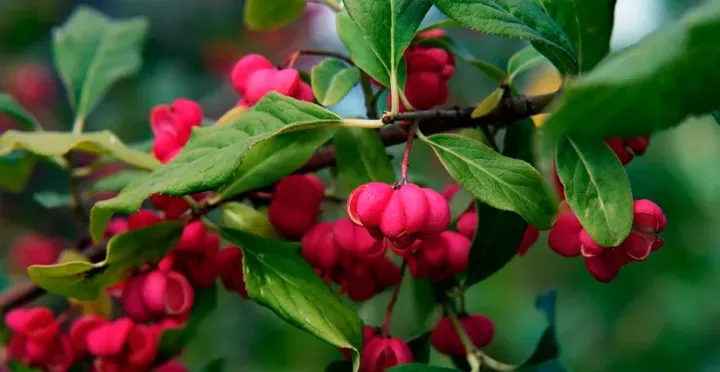
Description
Growing requirements
Euonymus oresbia, belonging to the Celastraceae family, is a deciduous shrub native to the mountainous regions of East Asia. It is a highly valued ornamental plant known for its structural beauty and vibrant autumn foliage.
The plant thrives in well-drained, moderately fertile soils with a neutral or slightly acidic pH. It requires careful soil management to avoid waterlogging, as the root system is sensitive to excessive moisture, which can quickly lead to decay.
Regarding climate, Euonymus oresbia prefers cool to temperate environments with partial shade. While it is reasonably hardy, young specimens require mulch protection around the base to insulate roots during extreme winter temperature fluctuations.
Botanically, this species is defined by its opposite leaves and small, distinct flowers that emerge in late spring. Its slow to moderate growth rate makes it an excellent candidate for controlled landscapes where dense shrubbery is required.
In terms of usage, it is primarily used in landscaping and garden design. It serves well as an ornamental hedge or as a standalone shrub in rock gardens, providing color contrast and seasonal interest throughout the year.
Main diseases and pests
The most common pest affecting this species is the spindle ermine moth (Yponomeuta cagnagella). Larvae feed gregariously on the foliage, often creating dense silk webs that can envelop entire branches.
Aphid infestations are another significant threat, typically occurring during the spring growth flush. These insects weaken the plant and can serve as vectors for secondary diseases, requiring consistent monitoring and management.
Powdery mildew is a prevalent fungal disease that thrives in humid, stagnant air. To prevent this, proper spacing between plants is essential to ensure adequate airflow through the canopy throughout the growing season.
Root rot is often the result of poor drainage or overwatering. Maintaining a balanced irrigation schedule is crucial to preserving the health of the root system and preventing the onset of soil-borne pathogens.
Integrated pest management, including the removal of infested leaves and the application of targeted insecticides or fungicides, is the recommended approach to maintaining a healthy and resilient shrub.