
Peritoma arborea
Peritoma arborea
Description
Growing requirements
Peritoma arborea, also known as bladderpod, is a perennial shrub belonging to the Capparaceae family. It is native to the arid regions of the southwestern United States and Baja California, where it has adapted to harsh, water-scarce environments.
This plant is highly valued for its extreme drought tolerance. It thrives in full sun exposure and is capable of surviving in poor, nutrient-deficient soils, making it an excellent candidate for xeriscaping and soil stabilization projects.
In terms of soil requirements, the species mandates excellent drainage. It performs best in sandy or rocky soils with a neutral pH level. Stagnant water is the primary limiting factor for its successful cultivation, as it induces root rot quickly.
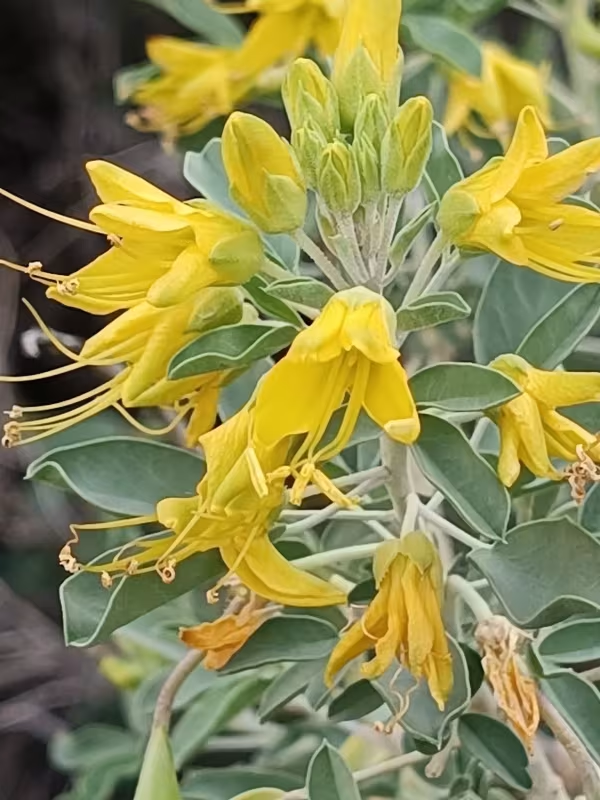
Botanically, P. arborea is distinguished by its showy yellow flowers that produce large, inflated seed pods. These structures are responsible for its common name and contribute to the plant's unique appearance during the fruiting phase.
Agrotechnically, little to no irrigation is required once the plant is established. It requires a significant "dry" period during the cooler months to mimic its natural dormancy cycle in desert ecosystems.
Main diseases and pests
The primary threat to Peritoma arborea is the lack of proper soil drainage. Soil moisture saturation promotes various soil-borne pathogens, including Phytophthora and Pythium, which can result in the rapid death of the plant.
Pests are generally not a significant issue for this species under appropriate conditions. However, the plant may occasionally host aphids during the flush of new growth in the spring, which are usually managed by natural predators.
Fungal diseases related to high humidity can occur if plants are situated too closely together. Proper spacing is essential to ensure adequate airflow and to reduce the risk of mildew development in canopy foliage.
Weed control is particularly important during the first few months of the plant's life. As a slow-growing shrub initially, it lacks the vigor to compete with invasive grasses and broadleaf weeds in the nursery or field.
It is strictly recommended to avoid heavy synthetic pesticides. As the plant is a significant nectar source for bees and butterflies, chemical interventions can destabilize the local beneficial insect populations.