
Euadenia eminens
Euadenia eminens
Description
Growing requirements
Euadenia eminens is a striking shrub belonging to the Capparaceae family, native to the tropical forests of West and Central Africa. It thrives in humid environments, typically found in the understory of dense forest ecosystems.
The plant demands high constant temperatures and high levels of atmospheric humidity. It is strictly a tropical species and cannot tolerate frost, requiring protected cultivation environments such as greenhouses in non-tropical regions.
Regarding soil requirements, this species favors well-draining, nutrient-rich soils with a slightly acidic to neutral pH. Proper aeration of the root zone is crucial to prevent oxygen deprivation and fungal growth in the substrate.
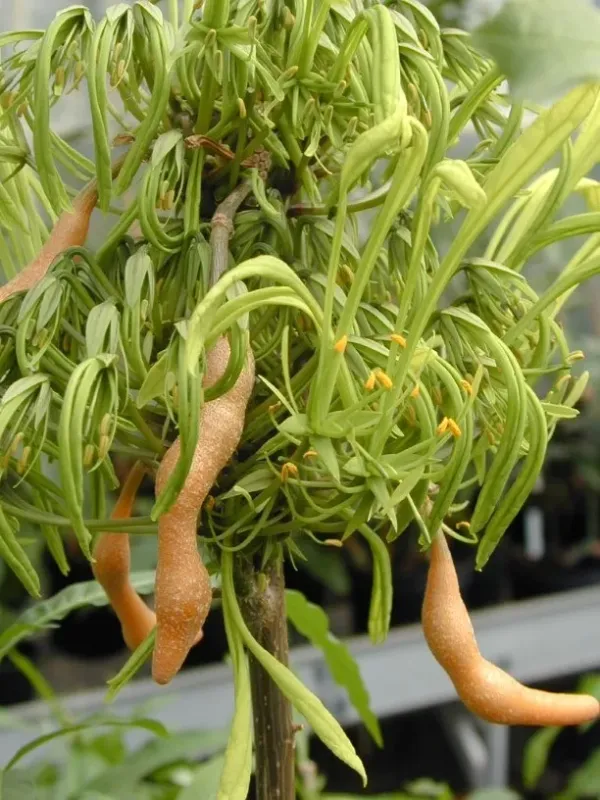
The botanical architecture of Euadenia eminens is defined by its compound leaves and long, slender stamens that give the flowers a unique, elongated appearance. This structural design is an evolutionary adaptation for specific pollinators present in its native habitat.
While interest in this plant is primarily botanical, its cultivation requires specialized knowledge of tropical microclimates. Water management is essential, as the plant needs regular moisture without being exposed to waterlogged conditions.
Main diseases and pests
Common threats to Euadenia eminens include various fungal pathogens that flourish in stagnant, humid environments. Leaf spots are frequent indicators of poor air circulation and excessive moisture on the foliage.
Spider mites are the most common arthropod pests that affect this species. They feed on plant sap, leading to chlorosis and stunted growth, especially in indoor or greenhouse settings where their natural predators are absent.
Root rot, driven by overwatering or compacted soil, remains the primary cause of mortality for this shrub. Ensuring that the container or planting site has an excellent drainage layer is a fundamental agrotechnical necessity.
Aphids can also colonize the plant, particularly during the active growing season. Their presence often leads to the development of sooty mold, which impairs the plant's photosynthetic capacity and weakens its vigor.
Effective management involves a combination of cultural practices, such as pruning for air circulation, and the judicious use of pesticides when infestation thresholds are exceeded. Integrated pest management strategies are highly recommended.