
Warburgia
Warburgia
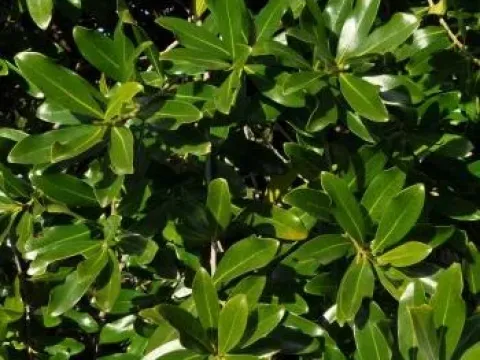
Warburgia is a genus of evergreen trees belonging to the family Canellaceae. Native to the tropical forests of Eastern and Southern Africa, these trees are highly valued for their medicinal properties and unique chemical composition.
What the section contains


Warburgia
The plant thrives in tropical and subtropical climates characterized by high humidity and moderate to high temperatures. It requires a stable environment with temperatures between 20°C and 30°C to achieve optimal growth and leaf development.
Soil requirements for Warburgia include well-drained, fertile soil that is slightly acidic or neutral. Good drainage is essential, as the roots are sensitive to waterlogging, which can easily trigger rot in tropical conditions.
Cultivation practices involve maintaining adequate soil moisture through regular irrigation, especially during dry seasons. Mulching the area around the base of the tree helps preserve moisture and suppress weeds that compete for nutrients.
Young trees require partial shade to protect them from intense direct sunlight, which can scorch the foliage. As the tree matures, it develops better resistance to environmental stress, provided it receives sufficient light and water.
The primary threats to Warburgia plantations are fungal diseases caused by excessive moisture or poor air circulation within the tree canopy. These pathogens can cause stem lesions and root decay if left unchecked.
Pests such as scale insects and spider mites are frequent invaders of Warburgia trees. These insects damage the plant by sucking sap from tender leaves and stems, leading to stunted growth and yellowing of the foliage.
In its native habitat, the species faces significant pressure from unsustainable harvesting of its bark. Over-harvesting creates open wounds on the trunk, making the tree susceptible to wood-boring insects and environmental decay.
Effective pest management involves regular monitoring of the leaves and bark. Integrated pest management (IPM) strategies, including the use of neem oil or biological controls, are recommended over harsh synthetic chemicals.
Proper pruning of dead or diseased branches is crucial to maintain air circulation. Keeping the planting site clean and removing infected plant material helps prevent the spread of diseases within the plantation.
The main economic product of Warburgia is its bark, which is widely used in traditional and modern medicine due to its bitter, antimicrobial properties. Harvesting must be carried out with caution to ensure the tree's long-term survival.
Bark collection is typically scheduled during periods of active growth when the bark is most accessible. Harvesters are encouraged to use sustainable methods, such as taking only small strips from one side of the tree to allow for regeneration.
Leaves and fruit can also be harvested for medicinal or research purposes. Manual collection is performed during the peak physiological maturity of the plant to ensure maximum concentrations of active compounds.
Post-harvest processing involves drying the bark in a well-ventilated, shaded area. This slow drying process prevents mold growth and preserves the essential oils and bitter principles that give the plant its commercial value.
For sustainable industrial production, plantations should follow strict environmental guidelines. Ensuring the health of the parent trees is the priority, which secures future yields and protects the natural population of the species.