
Warburgia salutaris
Warburgia salutaris
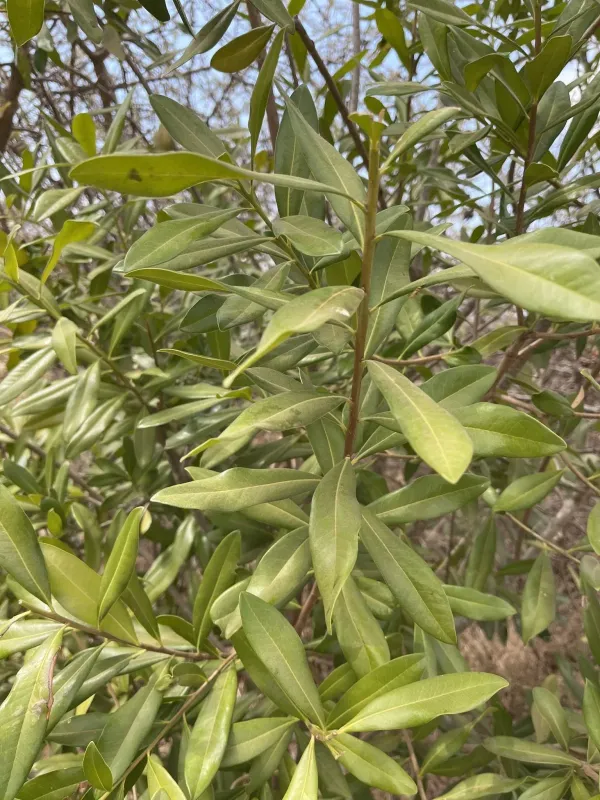
Description
Growing requirements
Warburgia salutaris, commonly known as the pepper-bark tree, belongs to the Canellaceae family. This evergreen species is native to the woodlands of South and East Africa, where it thrives in warm and humid environments.
The plant requires deep, well-draining, and nutrient-rich soil to establish a strong root system. In cultivation, it prefers locations with dappled sunlight, especially during the early growth stages to prevent desiccation.
Climatic requirements involve stable temperatures, as the species is highly sensitive to frost and cold winds. Consistent moisture is vital; however, irrigation must be managed to avoid waterlogging the soil.
Agronomic practices include the application of organic mulch around the base of the trunk to retain moisture and suppress weed growth. Pruning is usually limited to removing dead branches to ensure healthy canopy development.
The economic value of this crop is primarily linked to its medicinal properties. The bark is widely harvested for its potent antimicrobial and antifungal compounds, making it a valuable resource in traditional phytotherapy.
Main diseases and pests
The most significant threat to Warburgia salutaris is overharvesting in the wild, which often results in the ring-barking and subsequent death of the tree. Sustainable harvest protocols are essential for long-term production.
Pests such as scale insects and spider mites frequently affect the tree's health, particularly when the tree is stressed by drought or poor environmental conditions.
Fungal diseases can develop in the root zone if soil aeration is poor. Implementing proper drainage systems and avoiding excessive irrigation are critical preventive measures for maintaining tree vigor.
Nutrient deficiencies, specifically magnesium or iron, can cause yellowing of the foliage. Regular soil testing is recommended to apply correct amendments and support photosynthetic activity.
Integrated pest management, including the use of neem-based soaps or biological controls, is preferred over chemical interventions to maintain the organic status of the medicinal bark produced.