
Warburgia ugandensis
Warburgia ugandensis
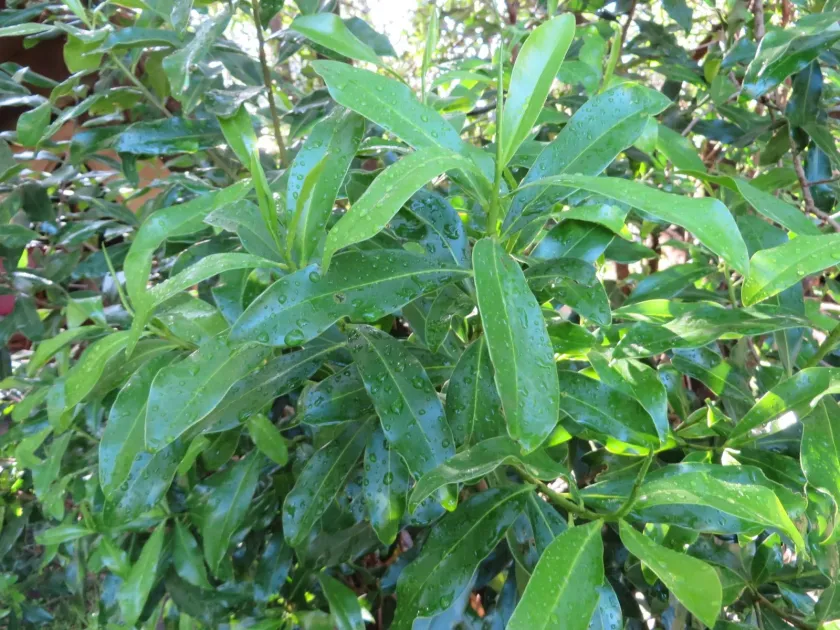
Description
Growing requirements
Warburgia ugandensis, commonly known as the East African greenheart, is a prominent tree species belonging to the Canellaceae family. It is highly valued in its native range across Eastern Africa for its therapeutic bark and wood.
The tree thrives in moist mountain forests, requiring high humidity and stable temperatures. It is best adapted to altitudes ranging from 1,000 to 2,500 meters, where the climate supports lush, evergreen growth.
Cultivation requires deep, fertile, and well-drained soils. Waterlogged conditions must be avoided as they inhibit root development and make the tree susceptible to various fungal pathogens that can destroy the root system.
Young plants require partial shade to mimic the forest understory, which is their natural habitat. As they mature, the trees become more resilient, though they still benefit from protection against intense direct sun in high-altitude plantations.
General agronomic care involves regular mulching and the addition of organic fertilizers to enrich the soil profile. Proper spacing is essential to allow for full crown development and to prevent competition for essential minerals.
Yield
The primary yield from this crop is the aromatic bark, which is harvested for its potent antimicrobial and antifungal properties. Sustainable harvesting methods are critical to ensure that the tree can regenerate its bark without succumbing to rot.
Leaves are a secondary source of income and medicinal supply. They can be harvested more frequently than the bark, providing a consistent flow of raw material for pharmaceutical and cosmetic applications.
The tree reaches maturity after several years, with productive lifespans often extending for decades. Yield potential is maximized in well-managed agroforestry systems that focus on soil enrichment and plant health.
Extracts from Warburgia are increasingly used in modern medicine as alternatives to synthetic antibiotics. This growing demand creates a robust market for plantation-grown, ethically sourced materials.
Planning for long-term yields requires maintaining a diverse age structure within the plantation. This ensures a steady annual harvest while allowing individual trees sufficient recovery time between bark extractions.
Main diseases and pests
Over-harvesting by local populations remains the biggest threat to wild stands. In an agricultural setting, the risk is managed through controlled, rotation-based harvesting that prioritizes tree survival.
Insects and certain leaf-feeding pests can pose challenges during the nursery phase. Integrated pest management (IPM) strategies, including biological controls, are preferred over synthetic pesticides to keep the product organic.
Fungal infections in wounds are a major concern after harvesting. Standard protocols require sealing cut surfaces with natural protective agents to prevent rot and colonization by destructive microbes.
Soil nutrient depletion can lead to stunted growth. Regular soil testing and the application of composted manure help maintain tree vigor and resistance against common tropical pathogens.
Water management is crucial during the dry season. Even though the species is native to humid areas, supplemental irrigation can significantly enhance biomass production and overall tree resilience in plantation environments.